Looking for a physiotherapist in Sylhet? Discover personalised physiotherapy, pain management, stroke rehabilitation, neuro rehabilitation, posture correction and mobility care at Advanced Rehab & Wellness
Pain, weakness, restricted movement and physical disability can make everyday life difficult. Simple activities such as walking, climbing stairs, lifting an object, sitting at a desk or getting out of bed may become uncomfortable or challenging.
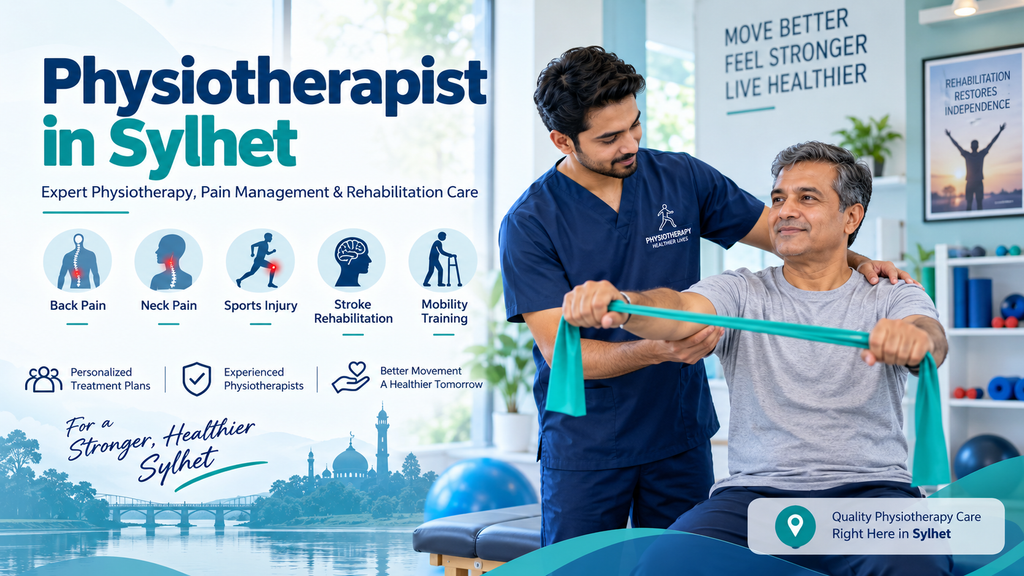
Although rest and basic care may help some minor problems, persistent pain or reduced mobility often requires a professional assessment. A qualified physiotherapist can evaluate the patient’s movement, strength, flexibility, balance and functional limitations before preparing an appropriate rehabilitation plan.
For people searching for a professional physiotherapist in Sylhet, Advanced Rehab & Wellness, also known as ARAW, provides physiotherapy, pain management and rehabilitation services at Shahjalal Uposhahar in Sylhet.
ARAW lists physiotherapy and pain management among its principal services, alongside stroke rehabilitation, neuro rehabilitation, acupuncture and regenerative wellness. Its published approach emphasizes patient-focused care, personalized treatment planning, experienced healthcare professionals and modern treatment technology.
This guide explains what physiotherapy is, who may benefit from it, what conditions a physiotherapist can address and what patients can expect when visiting Advanced Rehab & Wellness.
What Is Physiotherapy?
Physiotherapy is a healthcare service that helps people improve or maintain movement, physical function, strength and independence when these have been affected by an injury, illness, disability, operation or age-related condition.
Physiotherapists commonly use movement and exercise, manual techniques, physical assessment, education and practical advice to help patients manage pain and improve mobility. Physiotherapy may be appropriate for children, adults and older people, depending on their condition and individual needs.
Physiotherapy does not consist of one machine or one type of exercise. It is a structured process that may include:
- Physical and functional assessment
- Therapeutic exercises
- Strengthening activities
- Stretching and flexibility work
- Balance and coordination training
- Manual therapy
- Posture correction
- Walking and mobility practice
- Pain-management education
- Ergonomic guidance
- Home exercise planning
- Recovery after surgery
- Stroke and neurological rehabilitation
The exact treatment should be selected after evaluating the patient’s condition. Two people with pain in the same area may require different treatment plans because the causes, symptoms and functional limitations may be different.
What Does a Physiotherapist Do?
A physiotherapist assesses how an injury or health condition affects the patient’s ability to move and complete everyday activities.
During an assessment, a physiotherapist may examine:
- Joint movement
- Muscle strength
- Flexibility
- Posture
- Balance
- Walking pattern
- Coordination
- Pain location and behaviour
- Functional movement
- Previous injury history
- Work-related physical demands
- Ability to complete daily activities
The physiotherapist may then create a treatment plan based on the findings, the patient’s medical history and the patient’s personal goals.
For example, one patient’s goal may be to return to office work without severe neck pain. Another patient may want to walk independently after a stroke. A third patient may need help restoring knee movement after an operation.
Physiotherapy should therefore focus on meaningful functional improvement rather than applying the same treatment to everyone.
Why Might You Need a Physiotherapist in Sylhet?
You may benefit from consulting a physiotherapist when pain, weakness or reduced mobility begins to affect your daily life.
Consider seeking a professional assessment when you experience:
- Persistent back or neck pain
- Shoulder or knee pain
- Joint stiffness
- Difficulty walking
- Muscle weakness
- Poor balance
- Repeated sports injuries
- Reduced movement after surgery
- Pain after an accident
- Numbness or tingling
- Difficulty using an arm or leg after stroke
- Reduced coordination
- Work-related posture problems
- Age-related mobility difficulties
- Recurrent pain that does not improve with rest
The World Health Organization explains that rehabilitation helps people become as independent as possible following illness, injury, surgery or a decline in physical functioning. Rehabilitation can also help patients participate in work, education, recreation and family responsibilities.
Conditions a Physiotherapist May Help Manage
Physiotherapy can be used for many different physical and functional conditions. The appropriate treatment depends on the diagnosis, symptoms, medical history and assessment findings.
1. Lower-back pain
Lower-back pain is a common reason for consulting a physiotherapist. It may develop after heavy lifting, prolonged sitting, physical work, an accident or a sudden movement.
Possible contributing factors include:
- Muscle strain
- Reduced spinal mobility
- Weak core muscles
- Poor lifting technique
- Repetitive physical activity
- Prolonged sitting
- Disc-related conditions
- Nerve irritation
- Arthritis
- Previous injury
A physiotherapist may assess spinal movement, posture, strength, flexibility and activities that increase the symptoms. Treatment may include appropriate exercise, movement advice, manual therapy and education.
2. Neck pain
Neck pain can make it difficult to work, drive, sleep or turn the head comfortably.
It may be associated with:
- Prolonged computer use
- Extended mobile-phone use
- Poor workstation arrangement
- Muscle tension
- Joint stiffness
- Previous injury
- Reduced upper-back mobility
- Nerve irritation
A physiotherapy plan may include mobility exercises, strengthening, posture guidance, ergonomic advice and other clinically appropriate interventions.
3. Knee pain
Knee pain may affect walking, climbing stairs, sitting down, standing up and participating in exercise.
Common concerns include:
- Osteoarthritis
- Ligament injuries
- Meniscus-related problems
- Muscle weakness
- Patellofemoral pain
- Sports injuries
- Reduced joint movement
- Recovery after surgery
A physiotherapist may work on leg strength, knee mobility, balance, walking mechanics and safe progression of physical activity.
4. Shoulder pain
Shoulder pain may limit the ability to lift the arm, reach overhead, wear clothes, carry objects or sleep comfortably.
Conditions affecting the shoulder may include:
- Frozen shoulder
- Tendon irritation
- Rotator cuff problems
- Joint stiffness
- Muscle weakness
- Postural problems
- Sports injuries
- Pain following surgery
Treatment may involve a gradual exercise program, joint-mobility work, strengthening, activity modification and home guidance.
5. Arthritis and joint stiffness
Arthritis can cause pain, swelling, stiffness and reduced movement. It may affect the knees, hips, spine, shoulders, hands or other joints.
Although physiotherapy cannot reverse every type of arthritis, an appropriate program may help patients:
- Maintain joint movement
- Improve muscle strength
- Increase physical confidence
- Manage activity levels
- Reduce functional limitations
- Remain more independent
6. Sports injuries
Sports injuries can occur during football, cricket, running, cycling, gym training or other physical activities.
A sports-related physiotherapy program may address:
- Muscle strains
- Ligament sprains
- Tendon problems
- Knee injuries
- Shoulder injuries
- Ankle injuries
- Back pain
- Overuse conditions
Treatment should include not only symptom management but also a gradual plan for returning to the activity safely.
7. Post-surgical rehabilitation
After certain operations, patients may experience pain, swelling, weakness, stiffness and reduced confidence in using the affected area.
Post-operative physiotherapy may help with:
- Restoring joint movement
- Improving strength
- Reducing stiffness
- Walking safely
- Rebuilding endurance
- Returning to everyday activities
- Following surgical precautions
- Preventing avoidable physical decline
The rehabilitation program should follow the surgeon’s guidance and be adjusted according to the patient’s condition.
8. Stroke rehabilitation
A stroke can affect movement, strength, balance, coordination, walking and the ability to complete everyday activities.
Physiotherapy after stroke may focus on:
- Sitting and standing balance
- Walking practice
- Strengthening affected muscles
- Repeated movement training
- Improving coordination
- Transfer practice
- Reducing fall risks
- Supporting functional independence
The NHS identifies movement problems after stroke and neurological conditions such as multiple sclerosis and Parkinson’s disease among the health concerns for which physiotherapy may be used.
9. Neurological conditions
Conditions affecting the brain, spinal cord or nerves may produce:
- Muscle weakness
- Poor balance
- Tremors
- Stiffness
- Reduced coordination
- Walking difficulties
- Fine motor problems
- Reduced independence
Neurological physiotherapy often requires repeated, goal-focused movement practice and close monitoring of the patient’s progress.
ARAW provides neuro rehabilitation as a separate service in addition to its physiotherapy and pain-management program.
10. Balance problems and fall prevention
Poor balance may occur because of ageing, weakness, neurological conditions, injury, medication effects or reduced physical activity.
A physiotherapist may assess:
- Standing balance
- Walking pattern
- Leg strength
- Coordination
- Ability to change direction
- Transfers between sitting and standing
- Use of walking aids
- Environmental fall risks
The purpose is to help the patient move more safely and confidently.
Physiotherapy and Pain Management at ARAW
Advanced Rehab & Wellness provides a dedicated physiotherapy and pain-management service in Sylhet.
According to ARAW, its approach considers joint mechanics, core stability, mobility, posture and deep-tissue-related concerns. The center lists manual joint mobilization, electrotherapy, therapeutic ultrasound, kinetic core stabilization, posture assessment and desk-ergonomics support among its available services.
Not every treatment is appropriate for every patient. The physiotherapist should select interventions based on the patient’s diagnosis, physical assessment, medical history and safety considerations.
Physiotherapy Services Available at ARAW
Initial movement assessment
The first step should be a detailed assessment of the patient’s symptoms and physical function.
The physiotherapist may ask:
- When did the problem begin?
- Was there an injury or operation?
- Where is the pain located?
- What activities increase the symptoms?
- Is there numbness or weakness?
- How does the condition affect work or daily activities?
- What treatment has already been attempted?
- What does the patient want to achieve?
The answers help the physiotherapist understand the problem and determine whether physiotherapy is appropriate.
Manual joint mobilization
Manual joint mobilization involves controlled, hands-on techniques intended to support joint movement and address stiffness.
ARAW lists manual joint-mobilization techniques within its physiotherapy and pain-management program. These techniques should be performed only after an appropriate clinical assessment and are commonly combined with active rehabilitation.
Therapeutic exercise
Exercise is an important part of many physiotherapy programs.
Depending on the condition, a physiotherapist may prescribe exercises to improve:
- Strength
- Flexibility
- Joint mobility
- Balance
- Coordination
- Endurance
- Core stability
- Posture
- Walking ability
- Functional movement
Patients should follow the prescribed instructions carefully. An exercise that helps one condition may not be suitable for another.
Core-stability training
The muscles around the abdomen, pelvis, hips and lower back help support movement and load-bearing activities.
ARAW lists kinetic core stabilization as part of its physiotherapy service. Core exercises may be included for selected patients experiencing back pain, weakness, poor movement control or difficulty with physical activities.
Electrotherapy and therapeutic ultrasound
ARAW also lists electrotherapy and therapeutic ultrasound among its treatment modalities. These may be used for selected patients as part of a broader rehabilitation program.
Physical modalities should not replace a complete assessment, active exercise or appropriate medical care. Their suitability depends on the individual condition.
Posture assessment
Posture can be influenced by work habits, muscle strength, flexibility, pain, furniture and repeated daily activities.
A posture assessment may examine:
- Sitting position
- Standing alignment
- Shoulder position
- Spinal movement
- Workstation setup
- Lifting technique
- Repeated movement patterns
ARAW lists clinical spinal-alignment and posture evaluations within its physiotherapy and pain-management service.
Workplace ergonomics
People who work at a desk for long hours may develop neck, shoulder, wrist or back discomfort.
Ergonomic guidance may involve:
- Adjusting chair height
- Improving screen position
- Positioning the keyboard correctly
- Changing sitting habits
- Taking regular movement breaks
- Performing suitable workplace exercises
ARAW lists a corporate desk-ergonomics package combining physical adjustments with muscle-preservation training.
What to Expect During Your First Physiotherapy Appointment
Understanding the process can help patients feel more comfortable before their first visit.
Step 1: Medical-history discussion
The physiotherapist may ask about:
- Current symptoms
- Previous injuries
- Operations
- Existing diseases
- Medication
- Work activities
- Exercise habits
- Previous treatment
- Daily limitations
Patients should answer honestly so that the treatment plan can be prepared safely.
Step 2: Physical examination
Depending on the condition, the physiotherapist may assess:
- Range of motion
- Muscle strength
- Balance
- Flexibility
- Posture
- Walking
- Coordination
- Functional activities
The therapist may also identify movements that increase or reduce the symptoms.
Step 3: Goal setting
The patient and physiotherapist should agree on practical recovery goals.
Examples include:
- Walking without assistance
- Sitting comfortably at work
- Climbing stairs
- Returning to sport
- Sleeping with less discomfort
- Using an affected arm after stroke
- Regaining movement after surgery
- Completing household activities independently
Step 4: Personalized treatment plan
After completing the assessment, the physiotherapist may explain:
- The findings
- The recommended treatment
- Exercise instructions
- Safety precautions
- Approximate follow-up requirements
- Activities to avoid or modify
- Situations requiring medical referral
ARAW describes its general patient pathway as appointment scheduling, initial consultation, personalized treatment planning and follow-up care.
What Should You Bring to Your Appointment?
Bring any information that may help the physiotherapist understand your condition.
Useful items include:
- Doctor’s prescription
- X-ray report
- MRI or CT report
- Hospital discharge papers
- Surgical documents
- Medication list
- Previous physiotherapy records
- Laboratory reports
- Walking stick, walker or brace currently in use
Wear comfortable clothing that allows the therapist to assess the affected body area and observe movement.
How Many Physiotherapy Sessions Will You Need?
There is no fixed number of physiotherapy sessions suitable for everyone.
Treatment duration may depend on:
- Type of condition
- Severity
- Duration of symptoms
- Age
- General health
- Previous injury
- Surgical history
- Physical strength
- Mobility level
- Attendance
- Home-exercise participation
- Response to treatment
ARAW states that some soft-tissue or spinal-tracking concerns may show baseline functional improvement within four to six focused sessions. However, this is not a guarantee for every patient, and complex or long-term conditions may require a different timeline.
Stroke, neurological conditions, major surgery, chronic pain and severe weakness may require longer-term rehabilitation.
Benefits of Consulting a Physiotherapist
A professionally planned physiotherapy program may help a suitable patient:
- Manage pain
- Improve joint movement
- Increase muscle strength
- Improve balance
- Restore flexibility
- Walk more safely
- Return to work
- Resume exercise
- Recover after surgery
- Improve posture
- Reduce stiffness
- Increase physical independence
- Understand how to manage symptoms
- Reduce the risk of repeated injury
WHO notes that rehabilitation can reduce the effects of acute and chronic health conditions, help prevent or manage complications, support independence and enable people to return to work or remain active at home.
Why Choose a Local Physiotherapist in Sylhet?
Physiotherapy often requires repeated appointments and regular progress reviews. Choosing a local service can make it easier to follow the treatment plan consistently.
Potential benefits include:
- Reduced travel time
- Easier appointment attendance
- Less physical stress during travel
- Convenient follow-up visits
- Easier family participation
- Better continuity of care
- Faster communication when symptoms change
- Improved consistency with rehabilitation
Advanced Rehab & Wellness is located in Shahjalal Uposhahar, making its physiotherapy and rehabilitation services accessible to patients living in Sylhet and nearby areas.
How to Choose a Physiotherapist in Sylhet
When selecting a physiotherapist or physiotherapy center, consider the following factors.
Appropriate qualifications
Ask about the education, professional training and clinical experience of the person who will assess and treat you.
Detailed assessment
A responsible physiotherapist should evaluate the patient before starting treatment.
Personalized planning
The treatment plan should reflect the patient’s condition, lifestyle, limitations and goals.
Clear communication
The physiotherapist should explain the findings, treatment options, precautions and expected progression in understandable language.
Active rehabilitation
Passive treatments may sometimes be included, but exercises, education and functional movement training are important components of many rehabilitation programs.
Progress monitoring
The therapist should review whether movement, strength, balance and daily function are improving.
Home guidance
Patients often need instructions for exercises and symptom management between appointments.
Safe referral
A physiotherapist should refer the patient to a doctor or another specialist when symptoms suggest that further medical assessment is required.
Why Consider Advanced Rehab & Wellness?
Patients searching for a physiotherapist in Sylhet may consider ARAW because it offers physiotherapy within a broader rehabilitation environment.
Its listed features include:
- Physiotherapy and pain management
- Stroke rehabilitation
- Neuro rehabilitation
- Personalized treatment planning
- Manual joint-mobility techniques
- Core-stability training
- Posture assessment
- Ergonomic support
- Electrotherapy and ultrasound
- Follow-up care
ARAW describes its wider care model as patient-focused and supported by experienced professionals, personalized planning and modern medical technology.
Patients should request an individual assessment to confirm which services are appropriate for their condition.
Tips for Getting Better Results from Physiotherapy
Attend appointments consistently
Regular attendance helps the physiotherapist monitor progress and adjust the program when necessary.
Follow the home-exercise program
Home exercises can help maintain progress between appointments. Perform only the exercises prescribed for your condition.
Communicate changes
Tell the physiotherapist if you experience increased pain, swelling, dizziness, numbness, unusual weakness or new symptoms.
Stay active within safe limits
Complete bed rest is not suitable for every condition. Ask which movements and activities are safe for you.
Set realistic goals
Recovery often occurs gradually. Focus on improvements in movement and everyday function instead of comparing yourself with another patient.
Use correct techniques
Learn safe methods for lifting, sitting, standing, exercising and completing work-related activities.
Follow medical advice
Do not stop prescribed medicine or ignore surgical precautions without consulting the relevant healthcare professional.
Warning Signs That Need Urgent Medical Attention
Some symptoms require urgent or emergency medical care rather than a routine physiotherapy appointment.
Seek immediate medical attention for:
- Sudden facial weakness
- Sudden weakness in an arm or leg
- Difficulty speaking
- Severe chest pain
- Difficulty breathing
- Loss of consciousness
- Severe pain after major trauma
- Suspected fracture
- Loss of bladder or bowel control
- Numbness around the groin
- Rapidly worsening weakness
- High fever with severe pain
- A visibly deformed joint
- Severe unexplained swelling
- Sudden loss of balance with neurological symptoms
Physiotherapy should never delay necessary emergency treatment.
Frequently Asked Questions
Who is the best physiotherapist in Sylhet?
The right physiotherapist depends on your condition. A patient recovering from stroke may require neurological rehabilitation experience, while someone with back pain or a sports injury may need musculoskeletal expertise. Review the therapist’s qualifications, assessment process, communication and experience rather than relying only on promotional claims.
Does ARAW provide physiotherapy in Sylhet?
Yes. Advanced Rehab & Wellness offers physiotherapy and pain-management services in Shahjalal Uposhahar, Sylhet. Its listed services include manual joint mobilization, core stabilization, posture assessment, electrotherapy, ultrasound and ergonomic support.
Can physiotherapy help back pain?
Physiotherapy may help suitable patients manage back pain by improving movement, strength, flexibility and physical confidence. Treatment should be selected after assessing the symptoms and ruling out warning signs.
Can physiotherapy help after stroke?
Physiotherapy can support balance, mobility, walking, strength and functional independence after stroke. Recovery varies between individuals, and rehabilitation should be personalized.
Do I need a doctor’s prescription?
ARAW states that patients can receive direct-entry screening through its physiotherapy service. However, some symptoms or medical conditions may still require consultation with a doctor or another specialist.
Is physiotherapy painful?
Some exercises or movements may cause temporary discomfort, especially when an area is stiff or weak. Treatment should not cause uncontrolled or severe pain. Inform the physiotherapist if symptoms become significantly worse.
How quickly will I recover?
Recovery depends on the diagnosis, severity, duration, general health, treatment consistency and response to rehabilitation. No responsible provider can guarantee the same timeline for every patient.
Is home exercise necessary?
A prescribed home program may help patients continue practising between appointments. Exercises should be performed correctly and reviewed when symptoms or abilities change.
Can older people receive physiotherapy?
Yes. Physiotherapy can help selected older adults improve strength, balance, mobility and confidence. People of all ages may receive physiotherapy when clinically appropriate.
What are ARAW’s physiotherapy hours?
ARAW currently lists its physiotherapy and pain-management hours as Saturday through Wednesday, from 9:00 AM to 2:00 PM and from 4:00 PM to 9:00 PM. Patients should call before visiting to confirm the current schedule and appointment availability.
Consult a Physiotherapist in Sylhet
Pain, weakness and mobility limitations do not always improve through rest alone. A professional physiotherapy assessment can help identify the physical factors affecting your movement and determine which treatments are appropriate.
A personalized plan may include therapeutic exercise, joint-mobility techniques, core stabilization, posture correction, ergonomic guidance, walking practice and other rehabilitation interventions.
For patients searching for a physiotherapist in Sylhet, Advanced Rehab & Wellness offers local access to physiotherapy, pain management, stroke rehabilitation and neuro rehabilitation.
Contact ARAW to discuss your symptoms, confirm the appropriate service and schedule an initial consultation.
Contact Advanced Rehab & Wellness
Advanced Rehab & Wellness—ARAW
Address:
Shahjalal City College Building
Garden Tower, Shahjalal Uposhahar
Sylhet, Bangladesh
Appointment numbers:
+880 13 2476 3317
+880 13 2476 3318
Email:
arawsylhet@gmail.com
Physiotherapy schedule:
Saturday–Wednesday: 9:00 AM–2:00 PM
Saturday–Wednesday: 4:00 PM–9:00 PM
The address, appointment numbers, email address and published physiotherapy hours above are taken from ARAW’s current website. Patients should confirm availability before travelling.
Medical Disclaimer
This article is provided for general educational and informational purposes only. It does not provide a medical diagnosis, prescription or guarantee of treatment results. Physiotherapy suitability and recovery time vary according to the patient’s condition, medical history and assessment findings. Consult a qualified healthcare professional for personalized advice, and seek emergency medical care for sudden weakness, severe chest pain, difficulty breathing, loss of consciousness, major trauma or other urgent symptoms.