+880 13 2476 3317 arawsylhet@gmail.com
Garden Tower, Shahjalal Uposhahar, Sylhet
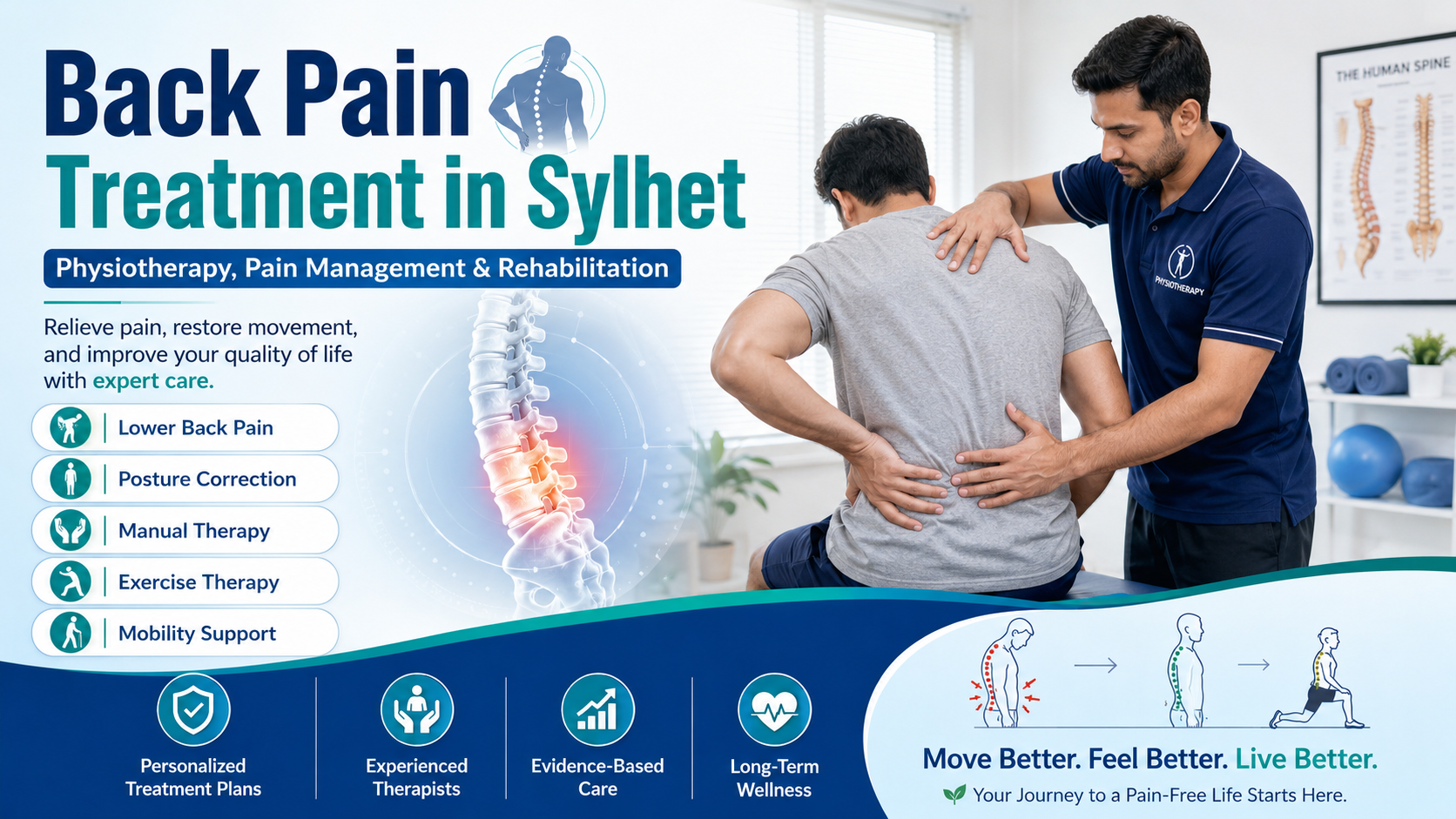
Back Pain Treatment in Sylhet

Looking for back pain treatment in Sylhet? Discover personalised physiotherapy, posture assessment, core stabilisation, manual therapy, pain management, and rehabilitation at Advanced Rehab & Wellness.

Back pain can make even ordinary activities difficult. Sitting at work, getting out of bed, walking, lifting an object, driving, climbing stairs, or sleeping comfortably may become challenging when pain affects the lower, middle, or upper back.
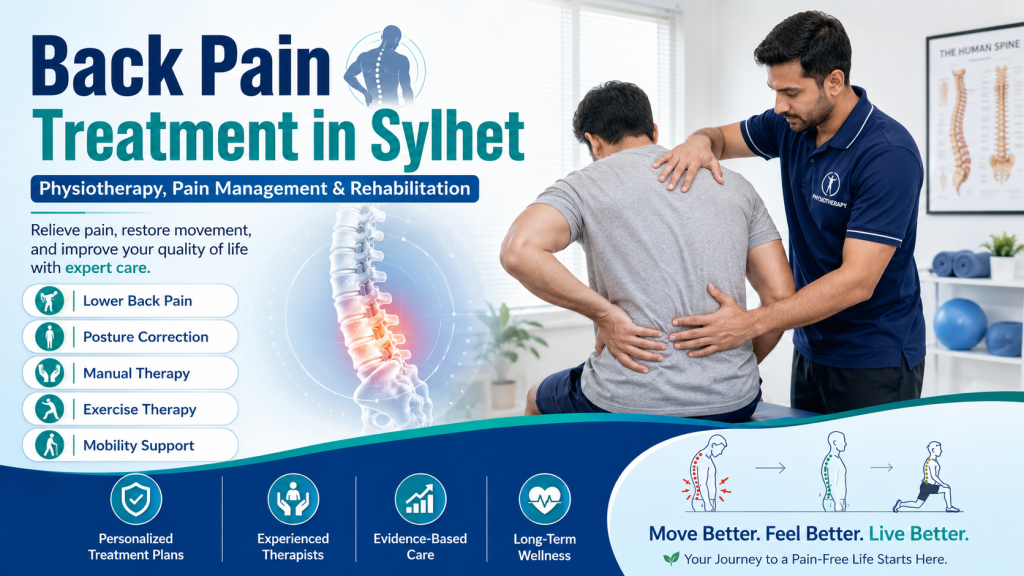
Back Pain Treatment in Sylhet

Some episodes of back pain improve within a few weeks. However, pain that continues, repeatedly returns, spreads into the legs, or limits daily activities may require a professional assessment. Back pain can have many possible causes, including muscle strain, joint stiffness, nerve irritation, physical injury, prolonged sitting, reduced strength, or an underlying medical condition.

For people seeking professional back pain treatment in Sylhet, Advanced Rehab & Wellness (ARAW) provides physiotherapy and pain-management services at Shahjalal Uposhahar in Sylhet.

ARAW’s physiotherapy and pain-management clinic focuses on musculoskeletal biomechanics, joint mechanics, core stability, mobility, posture, and physical rehabilitation. Its services include manual joint mobilisation, electrotherapy, therapeutic ultrasound, kinetic core stabilisation, spinal and posture assessment, and workplace ergonomics support.

This guide explains the common causes of back pain, available treatment approaches, warning signs requiring urgent medical care, and what patients can expect when visiting ARAW for back pain treatment in Sylhet.

What Is Back Pain?

Back pain refers to discomfort, stiffness, aching, burning, or sharp pain affecting the muscles, joints, nerves, discs, or other structures of the back.

The pain may affect one specific area or spread into another part of the body. Lower-back pain may sometimes travel into the buttock or leg and may be accompanied by tingling, numbness, or weakness.

The World Health Organisation defines lower-back pain as pain occurring between the lower edge of the ribs and the buttocks. It may be acute, subacute, or chronic and can affect people of any age.

Acute back pain and treatment in Sylhet

Acute back pain usually lasts for less than six weeks. It may begin suddenly after lifting, twisting, falling, exercising, or performing physically demanding work.

Many acute episodes improve over time, but an assessment may be necessary when the pain is severe, worsening, or accompanied by concerning symptoms.

Subacute back pain treatment in Sylhet

Subacute pain continues for approximately six to twelve weeks. Persistent symptoms during this period may require a more structured rehabilitation and pain-management plan.

Chronic back pain treatment in Sylhet

Chronic back pain continues for more than twelve weeks or repeatedly returns over an extended period. It may affect movement, sleep, work, emotional well-being, family activities, and general quality of life.

Why Is Professional Back Pain Assessment Important?

Back pain is not a single condition. Two patients may experience pain in the same area but have different causes, physical limitations, and treatment needs.

For example, one patient may develop pain after lifting a heavy object. Another may have symptoms related to prolonged office work, reduced core strength, or limited spinal mobility. A third patient may have leg pain and numbness caused by nerve irritation.

A professional assessment helps determine:

  • Where the pain is located
  • When and how it began
  • Which movements increase the symptoms
  • Whether pain travels into the legs
  • Whether numbness or weakness is present
  • How posture and physical activity affect the pain
  • Whether there are warning signs
  • How the condition affects work and daily activities
  • Whether physiotherapy is appropriate
  • Whether referral to a doctor or another specialist is needed

WHO recommends a comprehensive clinical assessment for lower-back pain so that treatment can be adapted to the patient’s condition, preferences, priorities, physical health, and psychosocial circumstances.

Common Causes of Back Pain

Back pain may result from a variety of injuries, habits, health conditions, or physical demands.

Muscle strain, back pain treatment in Sylhet

A muscle strain may occur after lifting, bending, twisting, sudden exercise, or physically demanding work. Symptoms may include localized pain, muscle spasm, stiffness, and difficulty moving comfortably.

Poor lifting technique, back pain treatment in Sylhet

Lifting a heavy object while bending or twisting awkwardly may increase stress on the lower back. Repeated unsafe lifting can also contribute to recurring symptoms.

Prolonged sitting

People who spend many hours working at a computer, driving, or sitting without regular movement breaks may experience stiffness and discomfort.

Prolonged sitting does not automatically cause every case of back pain, but workstation setup, physical inactivity, movement habits, and muscle endurance may influence symptoms.

Reduced core strength

The muscles around the abdomen, pelvis, hips, and lower back support the body during sitting, standing, lifting, walking, and exercise.

Reduced strength or poor coordination may make some daily activities more difficult. A physiotherapist may recommend carefully selected core-stability exercises when clinically appropriate.

Joint stiffness

Reduced movement in the spinal or surrounding joints may contribute to stiffness and restricted function. A physiotherapist may assess range of motion and determine whether movement exercises or manual therapy are suitable.

Disc-related conditions

The discs between the spinal bones help absorb load and allow movement. Disc-related problems can sometimes cause back pain, leg pain, tingling, or numbness.

Not every disc change seen on an imaging report is necessarily responsible for the patient’s symptoms. Clinical examination and medical history should be considered alongside imaging findings.

Sciatica and nerve irritation

Sciatica generally refers to pain caused by irritation or compression involving the sciatic nerve or its nerve roots.

Symptoms may include:

  • Pain travelling from the lower back into the buttock or leg
  • Burning or electric-shock sensations
  • Tingling
  • Numbness
  • Muscle weakness

WHO notes that spine-related leg pain may be associated with numbness, tingling, weakness, or sharp electric-shock-like sensations.

Arthritis and age-related changes

Arthritis and other age-related changes can contribute to stiffness, reduced movement, and pain. Rehabilitation may help selected patients maintain strength, mobility, physical confidence, and independence.

Sports injuries

Running, football, cricket, gym training, cycling, and other activities may place repeated or sudden loads on the back.

Sports-related pain may be connected to muscle strain, poor technique, reduced mobility, overtraining, insufficient recovery, or returning to activity too quickly after an injury.

Workplace demands

Heavy lifting, repeated bending, prolonged standing, driving, and desk-based work may contribute to back discomfort.

WHO includes reducing strain during physical work and making ergonomic workplace adjustments among the strategies that may support lower-back pain management.

Previous surgery or injury

Patients may experience weakness, stiffness, or altered movement patterns following surgery, an accident, or prolonged inactivity. Rehabilitation may be needed to restore movement and physical confidence.

Symptoms That May Accompany Back Pain

Back pain symptoms vary between individuals. A patient may experience:

  • Dull aching
  • Sharp pain
  • Burning discomfort
  • Muscle spasm
  • Morning stiffness
  • Pain while sitting
  • Pain while bending
  • Difficulty standing upright
  • Pain while walking
  • Pain travelling into a leg
  • Numbness or tingling
  • Reduced flexibility
  • Difficulty sleeping
  • Weakness in a leg
  • Pain following physical work

An assessment is particularly important when symptoms significantly limit normal movement or continue despite basic self-care.

When Should You Seek Back Pain Treatment?

Consider consulting an appropriate healthcare professional when back pain:

  • Does not improve after several weeks
  • Keeps returning
  • Interferes with work or household activities
  • Makes walking, bending, or sitting difficult
  • Prevents comfortable sleep
  • Spreads into a leg
  • Causes tingling or numbness
  • Develops after an accident
  • Becomes progressively worse
  • Is accompanied by unexplained weakness
  • Does not improve with appropriate basic care
  • Makes you worried or unable to cope

The NHS recommends seeking professional advice when back pain continues despite home care, interferes with daily activities, causes concern, is worse at night, or is associated with unexplained weight loss or changes in the shape of the back.

Back Pain Treatment in Sylhet at Advanced Rehab & Wellness

Advanced Rehab & Wellness provides physiotherapy and pain-management care for acute injuries, persistent back pain, neck pain, joint stiffness, and mobility limitations.

The clinic states that it looks beyond temporary symptom relief by considering joint mechanics, core stability, deep-tissue concerns, movement, and posture.

Treatment should begin with an assessment. The appropriate plan may differ depending on whether the patient has an acute muscle strain, long-term lower-back pain, posture-related discomfort, reduced spinal movement, weakness, or nerve-related symptoms.

Back Pain Services Available at ARAW

1. Initial consultation and mobility assessment

During the initial consultation, the healthcare professional may review:

  • The location and intensity of pain
  • How and when symptoms began
  • Movements that worsen or reduce the pain
  • Previous injuries or operations
  • Medication
  • Medical conditions
  • Work activities
  • Exercise habits
  • Sleep difficulties
  • Numbness, tingling, or weakness
  • Previous treatments
  • Functional limitations

The physical assessment may examine posture, spinal movement, muscle strength, flexibility, walking, balance, and the patient’s ability to perform specific movements.

ARAW describes its general care process as appointment scheduling, initial consultation, personalized treatment planning, and follow-up monitoring.

2. Personalized physiotherapy plan

A personalized treatment plan may include a combination of education, exercise, hands-on treatment, posture guidance, activity modification, and home exercises.

The plan should be based on the patient’s condition and recovery goals rather than using the same routine for every person.

The NHS states that physiotherapy may help ease pain and improve movement through exercise, manual therapy, symptom-management advice, and selected treatment modalities.

3. Manual joint mobilisation

ARAW lists controlled manual joint-mobilisation techniques among its physiotherapy services. These hands-on techniques are intended to address joint stiffness and support improved movement.

Manual therapy should be performed by an appropriately trained professional after assessment. It is generally most useful when combined with active rehabilitation rather than used as a complete treatment by itself.

4. Kinetic core stabilisation

ARAW offers kinetic core-stabilisation exercises intended to support important load-bearing regions of the body.

A core-stability program may focus on the muscles surrounding the abdomen, lower back, pelvis, and hips.

Depending on the patient’s condition, exercises may be used to improve:

  • Movement control
  • Spinal support
  • Strength
  • Balance
  • Lifting ability
  • Sitting tolerance
  • Walking
  • Functional confidence

Exercises should be introduced gradually and adjusted according to the patient’s symptoms and abilities.

5. Spine and posture assessment

ARAW lists clinical spinal-alignment and posture evaluations as part of its pain-free mobility assessments. The evaluation may include physical-load, postural-deviation, and joint-range measurements.

A posture assessment may consider:

  • Sitting position
  • Standing alignment
  • Shoulder position
  • Spinal mobility
  • Repeated movement habits
  • Workstation arrangement
  • Lifting techniques
  • Physical activity level

The purpose should not be to label one posture as perfect. Instead, assessment can help identify positions, movement patterns, or physical demands that may be influencing the patient’s symptoms.

6. Therapeutic exercise

Exercise is an important component of many back-pain rehabilitation programs.

Depending on the assessment findings, exercises may focus on:

  • Strength
  • Flexibility
  • Spinal mobility
  • Core control
  • Hip strength
  • Balance
  • Coordination
  • Endurance
  • Functional movement
  • Gradual return to activity

WHO recommends exercise programs as part of a person-centred approach for adults with chronic primary lower-back pain.

7. Electrotherapy and therapeutic ultrasound

ARAW lists electrotherapy and therapeutic ultrasound among its available physical modalities.

These treatments may be considered for selected patients as part of a broader rehabilitation plan. They should not automatically be used for every type of back pain and should not replace assessment, education, exercise, or appropriate medical care.

8. Workplace ergonomics

ARAW offers a corporate desk-ergonomics package combining physical adjustments with muscle-preservation training.

Ergonomic guidance may include:

  • Adjusting chair height
  • Improving screen placement
  • Positioning the keyboard and mouse
  • Using appropriate back support
  • Taking regular movement breaks
  • Changing position throughout the day
  • Learning safe lifting techniques
  • Performing simple workplace exercises

These adjustments can be especially useful for office employees, drivers, teachers, freelancers, and people who work for long periods in the same position.

9. Home exercise guidance

Patients may receive exercises to perform between appointments. Home exercises are intended to reinforce the progress made during supervised sessions.

Exercises should be performed exactly as instructed. Stop and contact the relevant healthcare professional when an exercise causes severe pain, new numbness, significant weakness, dizziness, or other concerning symptoms.

Evidence-Based Management of Chronic Back Pain

Long-term back pain is often influenced by a combination of physical, psychological, occupational, and social factors.

WHO recommends a holistic, person-centred, coordinated approach rather than relying on a single treatment. Recommended options may include education, exercise, selected physical therapies, psychological interventions, and appropriate medication where clinically necessary.

A complete back-pain program may therefore focus on:

  • Understanding the condition
  • Reducing fear of safe movement
  • Improving strength and mobility
  • Gradually returning to daily activities
  • Supporting sleep and general health
  • Managing work-related physical demands
  • Establishing realistic recovery goals
  • Developing long-term self-management skills

Treatment should be adjusted according to the patient’s individual needs and should not promise an instant or guaranteed cure.

Does Every Patient Need an MRI or X-Ray?

Not every episode of back pain requires imaging.

A healthcare professional may recommend an X-ray, MRI, CT scan, or another investigation when the medical history, physical examination, injury, or warning signs suggest that imaging may influence treatment.

Imaging should not replace clinical assessment. The presence of changes on a scan does not always prove that those findings are the cause of pain.

Bring any existing imaging reports, prescriptions, hospital records, and previous treatment documents to your appointment.

What to Expect During Your First Appointment

Medical-history review

The healthcare professional may ask about symptoms, injuries, operations, medication, work, exercise, sleep, and previous treatment.

Physical examination

The assessment may include spinal movement, muscle strength, posture, flexibility, walking, balance, and nerve-related tests.

Discussion of goals

Practical treatment goals may include:

  • Sitting comfortably at work
  • Sleeping with less discomfort
  • Walking for a longer period
  • Returning to physical work
  • Lifting safely
  • Driving comfortably
  • Resuming exercise
  • Reducing pain-related limitations

Treatment explanation

The healthcare professional should explain the assessment findings, recommended care, safety precautions, home exercises, and follow-up plan.

Progress monitoring

Treatment may be adjusted according to changes in pain, mobility, strength, sitting tolerance, walking, sleep, and daily activities.

How Many Back Pain Treatment Sessions Are Needed?

There is no fixed number of treatment sessions suitable for every patient.

The required duration may depend on:

  • Cause of pain
  • Severity
  • Duration of symptoms
  • Presence of leg pain
  • Muscle strength
  • Spinal mobility
  • Age
  • General health
  • Work demands
  • Previous injuries
  • Exercise participation
  • Attendance
  • Response to treatment

ARAW states that many soft-tissue or spinal-tracking problems may show baseline functional improvement within four to six focused sessions. This should not be interpreted as a guarantee, because individual conditions and recovery timelines differ.

Long-term pain, nerve-related symptoms, severe weakness, significant injuries, or post-surgical rehabilitation may require a longer treatment period.

Benefits of Physiotherapy for Back Pain

A properly designed physiotherapy program may help suitable patients:

  • Improve spinal movement
  • Increase muscle strength
  • Reduce stiffness
  • Improve flexibility
  • Develop better movement control
  • Return to work
  • Resume exercise
  • Improve sitting and standing tolerance
  • Learn safer lifting techniques
  • Increase physical confidence
  • Manage recurring symptoms
  • Improve independence

Physiotherapy is used for bone, joint, and muscle conditions including back pain, neck pain, arthritis, sports injuries, and post-surgical weakness.

How to Support Your Recovery at Home

Remain appropriately active

Long periods of bed rest are generally discouraged for ordinary back pain. The NHS recommends remaining active and continuing daily activities when possible, provided no serious condition or medical restriction is present.

Follow the prescribed exercises

Perform only the exercises recommended for your condition. Stop and seek advice if symptoms worsen significantly.

Take movement breaks

Avoid sitting or standing in one position for several hours. Change position and move regularly.

Improve your workstation

Adjust your chair, screen, keyboard, and desk so you can work without repeatedly leaning, twisting, or reaching awkwardly.

Use safe lifting techniques

Keep the object close to your body, avoid sudden twisting, and ask for assistance when an object is too heavy or awkward.

Maintain healthy sleep habits

Good-quality sleep may support physical recovery and pain management. Ask a healthcare professional for advice if pain regularly interrupts sleep.

Avoid unsupervised treatment

Do not begin intense stretching, spinal manipulation, or strenuous exercise without understanding whether it is appropriate for your condition.

Use medication carefully

Speak with a qualified doctor or pharmacist before using pain medication, especially when you have other health conditions or take additional medicines.

Warning Signs Requiring Urgent Medical Care

Most back pain is not caused by a serious condition. However, some symptoms require urgent medical assessment.

Seek immediate emergency care when back pain is accompanied by:

  • Pain, weakness, tingling, or numbness affecting both legs
  • Loss of sensation around the genitals or anus
  • Difficulty controlling the bladder or bowel
  • Difficulty urinating
  • Chest pain
  • Back pain following a serious accident
  • Rapidly worsening weakness

Urgent medical advice is also necessary when severe pain begins suddenly, worsens quickly, or occurs with fever, chills, or feeling generally unwell.

A routine physiotherapy appointment should never delay emergency medical care.

How to Choose a Back Pain Treatment Center in Sylhet

Before selecting a healthcare provider, consider the following factors.

Professional assessment

The provider should assess your symptoms, medical history, movement, strength, and warning signs before beginning treatment.

Individualized planning

Treatment should reflect your condition, occupation, physical ability, and recovery goals.

Clear communication

You should understand why each treatment is recommended, what precautions apply, and what outcomes are realistic.

Active rehabilitation

Exercise, education, and functional movement should usually form an important part of back-pain rehabilitation.

Progress measurement

The provider should monitor changes in mobility, strength, pain-related function, sleep, and daily activity.

Appropriate referral

A responsible provider should recommend medical assessment or diagnostic testing when the symptoms require further investigation.

Convenient follow-up

Because rehabilitation may require repeated appointments, a local center can make regular attendance easier.

Why Consider Advanced Rehab & Wellness?

People searching for back pain treatment in Sylhet may consider ARAW because it provides physiotherapy and pain management within a wider rehabilitation setting.

Its published services and features include:

  • Physiotherapy and pain management
  • Manual joint mobilization
  • Kinetic core stabilization
  • Electrotherapy
  • Therapeutic ultrasound
  • Spine and posture assessment
  • Workplace ergonomics
  • Personalized treatment planning
  • Follow-up care
  • Neuro and stroke rehabilitation services

ARAW states that it combines advanced medical technology, clinical knowledge, clear communication, and personalized care.

Patients should receive an individual consultation to determine which services are suitable for their condition.

Frequently Asked Questions

Where can I get back pain treatment in Sylhet?

Advanced Rehab & Wellness provides physiotherapy and pain-management services at Garden Tower, Shahjalal Uposhahar, Sylhet. Its services include mobility assessment, manual joint mobilization, core stabilization, posture assessment, electrotherapy, ultrasound, and ergonomic support.

Can physiotherapy help lower-back pain?

Physiotherapy may help suitable patients improve movement, strength, flexibility, and pain-related function. The recommended exercises and treatments should be selected after an individual assessment.

Can ARAW help with posture-related back pain?

ARAW lists spinal-alignment and posture evaluation, joint-range assessment, and workplace ergonomics among its physiotherapy and pain-management services.

What is the treatment for sciatica?

Treatment depends on the cause and severity of symptoms. It may involve education, movement modification, therapeutic exercise, pain management, and medical referral. Urgent medical care is necessary if symptoms include bladder or bowel changes, numbness around the groin, or weakness affecting both legs.

Is complete bed rest good for back pain?

Extended bed rest is generally not advised for ordinary back pain. Remaining appropriately active and gradually continuing daily activities may support recovery, unless a healthcare professional has given different instructions.

Do I need a doctor’s prescription before visiting ARAW?

ARAW’s website states that its clinical therapists perform direct-entry screening. However, patients with serious symptoms, significant trauma, or complex medical conditions may still require assessment by a doctor or another specialist.

How quickly will my back pain improve?

Recovery time depends on the cause, severity, duration, general health, treatment consistency, and response to rehabilitation. No responsible provider should guarantee the same outcome or recovery date for every patient.

What should I bring to my appointment?

Bring prescriptions, imaging reports, hospital documents, medication details, previous physiotherapy records, and any other relevant medical information.

What are ARAW’s physiotherapy hours?

ARAW currently lists physiotherapy and pain-management appointments from Saturday to Wednesday, between 9:00 AM and 2:00 PM, and again between 4:00 PM and 9:00 PM. Patients should call before visiting to confirm current availability.

Book Back Pain Treatment in Sylhet

Back pain should not be ignored when it repeatedly returns, interferes with daily life, or causes numbness, weakness, or reduced mobility.

A professional assessment can help determine the factors contributing to your symptoms and identify an appropriate treatment plan. Depending on your condition, care may include therapeutic exercise, core stabilization, manual joint mobilization, posture correction, ergonomic guidance, physical modalities, and home rehabilitation.

For people looking for back pain treatment in Sylhet, Advanced Rehab & Wellness provides local access to physiotherapy, pain management, spinal and posture assessment, and rehabilitation services.

Contact ARAW to discuss your symptoms and schedule an initial consultation.

Contact Advanced Rehab & Wellness

Advanced Rehab & Wellness—ARAW

Address:
Shahjalal City College Building
Garden Tower, Shahjalal Uposhahar
Sylhet, Bangladesh

Appointment Numbers:
+880 13 2476 3317
+880 13 2476 3318

Email:
arawsylhet@gmail.com

Physiotherapy and Pain-Management Schedule:
Saturday–Wednesday: 9:00 AM–2:00 PM
Saturday–Wednesday: 4:00 PM–9:00 PM

The address, appointment numbers, email address, and schedule above are currently published on ARAW’s official website.

Medical Disclaimer

This article is intended for general educational and informational purposes only. It does not provide a diagnosis, prescription, or guarantee of treatment results. Back pain can have many possible causes, and treatment should be selected following an appropriate assessment by a qualified healthcare professional. Seek emergency medical care for bladder or bowel changes, numbness around the groin, weakness in both legs, chest pain, major trauma, breathing difficulties, or other urgent symptoms.
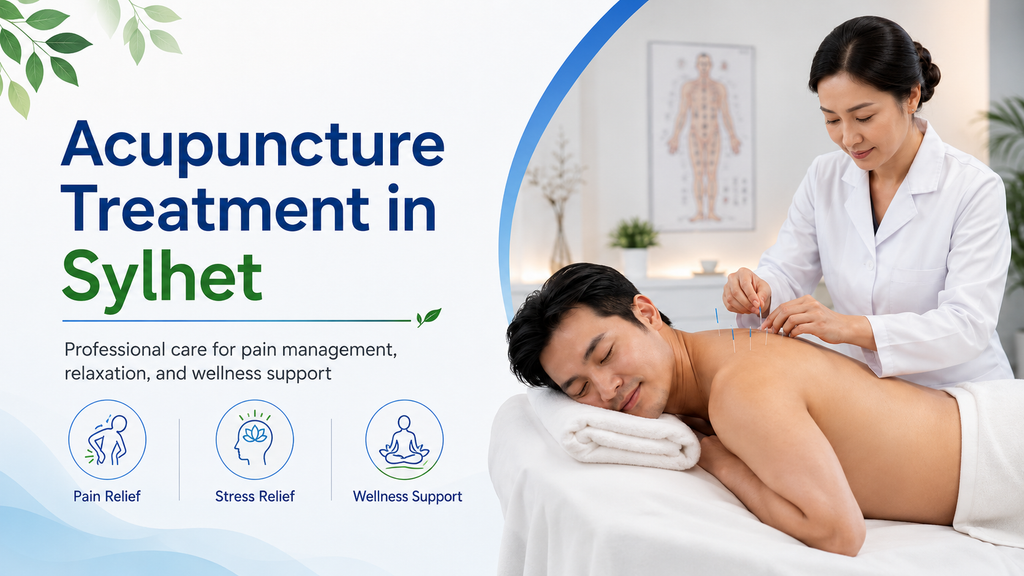
Looking for acupuncture treatment in Sylhet? Learn how acupuncture may support pain management, mobility, headaches, muscle tension, and rehabilitation at Advanced Rehab & Wellness.

Acupuncture Treatment in Sylhet

Pain, stiffness, muscle tension, headaches, and reduced mobility can affect work, sleep, exercise, and everyday responsibilities. Some people improve with physiotherapy, medication, exercise, or lifestyle changes, while others may benefit from an additional complementary treatment as part of a broader care plan.

For people searching for acupuncture treatment in Sylhet, Advanced Rehab & Wellness, also known as ARAW, provides acupuncture alongside physiotherapy, pain management, neuro rehabilitation, stroke rehabilitation, and regenerative wellness services. ARAW is located at Garden Tower, Shahjalal Uposhahar, Sylhet. (Advanced Rehab & Wellness)

Acupuncture uses very fine needles inserted at selected points on the body. The needles may be gently manipulated by hand or stimulated with a low electrical current, a technique known as electro-acupuncture. (NCCIH)

This article explains how acupuncture works, which conditions it may help, what happens during a session, safety considerations, and what patients should know before booking acupuncture treatment in Sylhet.

What Is Acupuncture?

Acupuncture is a needling technique that originated within traditional Chinese medicine and is now used in many healthcare settings worldwide.

During treatment, a trained practitioner inserts thin needles through the skin at carefully selected points. Depending on the treatment plan, the practitioner may:

  • Leave the needles in place for a limited period
  • Rotate or gently move the needles
  • Apply mild electrical stimulation
  • Target trigger points or areas of muscle tension
  • Combine acupuncture with physiotherapy or rehabilitation

Modern medical explanations suggest that needling may influence sensory nerves, muscles, connective tissue, pain-processing pathways, and natural pain-modulating chemicals. However, researchers do not yet fully understand every mechanism involved. Acupuncture is generally considered a complementary treatment rather than a replacement for necessary medical care. (NCCIH)

Why Do People Consider Acupuncture Treatment in Sylhet?

People often consider acupuncture when pain or stiffness continues despite rest, basic medication, or self-care.

Common reasons for seeking an assessment include:

  • Lower-back pain
  • Neck and shoulder pain
  • Knee discomfort
  • Muscle tightness
  • Trigger points
  • Arthritis-related pain
  • Tension-type headaches
  • Migraine symptoms
  • Sports-related soreness
  • Persistent musculoskeletal pain
  • Stress-related physical tension
  • Reduced movement after injury

Research evidence varies according to the condition. Evidence summarized by the U.S. National Center for Complementary and Integrative Health suggests that acupuncture may help some people with chronic back or neck pain and osteoarthritis-related pain. It should still be selected according to the individual patient’s condition and used within an appropriate care plan. (NCCIH)

Acupuncture at Advanced Rehab & Wellness

ARAW lists acupuncture among its principal healthcare services. The center also provides physiotherapy and pain management, neuro rehabilitation, stroke rehabilitation, and regenerative wellness. (Advanced Rehab & Wellness)

This broader rehabilitation environment may be useful because pain is not always managed effectively through one treatment alone. Depending on the assessment, a patient’s program may combine:

  • Acupuncture
  • Therapeutic exercise
  • Physiotherapy
  • Manual techniques
  • Core stabilization
  • Posture correction
  • Mobility training
  • Ergonomic guidance
  • Home exercise
  • Medical referral

A combined plan should be based on the patient’s diagnosis, medical history, symptoms, functional limitations, and recovery goals.

Conditions That May Benefit From Acupuncture

Back pain

Lower-back pain may result from muscle strain, prolonged sitting, reduced strength, joint stiffness, repetitive work, disc-related conditions, or nerve irritation.

Acupuncture may be considered as one part of a wider back-pain plan. The plan may also include exercise, movement education, physiotherapy, posture advice, and appropriate medical treatment.

Evidence reviewed by NCCIH indicates that acupuncture has shown benefits for some people with chronic back or neck pain when compared with no treatment or sham treatment. (NCCIH)

Acupuncture is not suitable as the only response when back pain is accompanied by major trauma, progressive weakness, bladder or bowel changes, or numbness around the groin. These symptoms require urgent medical assessment.

Neck and shoulder pain

Neck and shoulder discomfort may develop from:

  • Prolonged computer use
  • Mobile-phone use
  • Muscle tension
  • Poor workstation setup
  • Joint stiffness
  • Repetitive work
  • Previous injury
  • Stress-related muscle tightening

An acupuncture practitioner may target selected points or muscular trigger areas. However, a full treatment program may also need strengthening, posture correction, ergonomic changes, and mobility exercises.

Knee pain and osteoarthritis

Knee osteoarthritis can cause pain, morning stiffness, swelling, reduced walking ability, and difficulty climbing stairs.

Acupuncture may help some patients manage osteoarthritis-related pain. A review summarized by NCCIH found evidence of benefit compared with no treatment and, in some studies, sham acupuncture. (NCCIH)

However, acupuncture cannot rebuild severely damaged cartilage or guarantee avoidance of surgery. Patients with significant swelling, instability, trauma, or progressive disability should receive an appropriate medical and physical assessment.

Headaches and migraine

Some people use acupuncture as a complementary option for recurrent headaches or migraine.

Because headaches can have many causes, assessment is important. New, sudden, unusually severe, or neurologically associated headaches should be medically evaluated before acupuncture is considered.

Muscle tightness and trigger points

A trigger point is a sensitive area within a muscle that may produce local or referred discomfort.

Needling techniques may be used to address selected trigger points. This may sometimes be described as dry needling, although dry needling and traditional acupuncture are not identical in theory, training, or treatment selection.

Muscle tension may also require:

  • Stretching
  • Strengthening
  • Posture correction
  • Activity modification
  • Manual therapy
  • Workstation changes

Sports-related pain

Athletes may experience muscle strain, tendon irritation, joint discomfort, and delayed recovery after training.

Acupuncture may be considered as a supplementary treatment, but sports rehabilitation should also address:

  • Strength
  • Flexibility
  • Movement control
  • Training load
  • Technique
  • Recovery time
  • Gradual return to sport

Chronic pain

Chronic pain is often influenced by a combination of physical, emotional, occupational, and lifestyle factors.

Acupuncture may be one component of a broader chronic-pain program. Other components may include physiotherapy, exercise, education, sleep support, stress management, and medication review.

What Is Electro-Acupuncture?

Electro-acupuncture involves connecting acupuncture needles to a device that delivers a mild electrical current.

The aim is to provide controlled stimulation at the selected points. The patient may notice a mild pulsing or tingling sensation.

ARAW publishes information about electro-acupuncture within its regenerative and joint-care services. (Advanced Rehab & Wellness)

Electro-acupuncture may not be appropriate for everyone. Patients should inform the practitioner if they have:

  • A pacemaker
  • An implanted electrical device
  • Heart rhythm concerns
  • Seizure disorders
  • Pregnancy
  • Reduced sensation
  • A bleeding condition
  • Significant medical illness

The practitioner should explain why electro-acupuncture is being recommended and whether a non-electrical alternative is available.

Acupuncture and Dry Needling: Are They the Same?

Acupuncture and dry needling both use thin needles, but they are not exactly the same.

Traditional acupuncture selects points according to an established acupuncture framework and may also be used within modern medical or integrative approaches.

Dry needling commonly focuses on muscles, trigger points, and neuromuscular structures. It is often provided within physiotherapy or musculoskeletal treatment.

Patients should ask:

  • Which technique is being used?
  • Why has it been selected?
  • What training does the practitioner have?
  • What results are realistically expected?
  • What other treatments will be included?

What Happens During an Acupuncture Appointment?

1. Consultation and assessment

Before treatment, the practitioner should ask about:

  • Main symptoms
  • Pain location and duration
  • Medical conditions
  • Previous surgery
  • Medication
  • Allergies
  • Pregnancy
  • Bleeding disorders
  • Heart conditions
  • Previous reactions to needles
  • Treatment goals

Patients should bring relevant medical reports, prescriptions, scans, and medication lists.

2. Treatment explanation

The practitioner should explain:

  • Which areas will be treated
  • How many needles may be used
  • Whether electrical stimulation is planned
  • How long the needles may remain in place
  • Possible sensations
  • Potential risks
  • Alternative options

Patients should have the opportunity to ask questions and give informed consent.

3. Needle placement

The patient may sit or lie down. Thin needles are inserted into selected locations.

A brief pinching or tingling sensation may occur. Some patients experience heaviness, warmth, pressure, or a dull ache around the treatment point.

Severe or sharp pain should be reported immediately.

4. Treatment period

Needles may remain in place for a limited period. The exact time varies according to the technique and treatment plan.

5. Needle removal

The practitioner removes and safely disposes of the needles.

Sterile, single-use needles should be used to reduce infection risk.

6. Follow-up guidance

The patient may receive advice about:

  • Hydration
  • Exercise
  • Activity levels
  • Physiotherapy
  • Home care
  • Follow-up sessions
  • Symptoms requiring medical attention

Does Acupuncture Hurt?

Most people describe acupuncture as producing mild or brief sensations rather than severe pain.

Possible sensations include:

  • A short pinching feeling
  • Tingling
  • Mild pressure
  • Warmth
  • Heaviness
  • A dull ache

Some people may experience minor soreness or bruising afterward.

Pain tolerance varies, and certain areas of the body may be more sensitive. Patients should tell the practitioner immediately if they feel intense pain, dizziness, nausea, breathing difficulty, or unusual discomfort.

How Many Acupuncture Sessions Are Needed?

There is no fixed number of sessions that works for every patient.

The number may depend on:

  • Type of condition
  • Duration of symptoms
  • Severity
  • General health
  • Treatment goals
  • Response to the first sessions
  • Whether physiotherapy is also being used
  • Lifestyle and work demands

Some patients may receive a short trial of treatment followed by reassessment. Chronic or complex conditions may require a longer plan.

A responsible clinic should review progress instead of automatically continuing sessions without measurable benefit.

Useful progress measures may include:

  • Pain intensity
  • Walking ability
  • Joint movement
  • Sleep
  • Work tolerance
  • Daily function
  • Use of pain medication
  • Ability to exercise

Is Acupuncture Safe?

Acupuncture is generally associated with relatively few complications when performed correctly by a properly trained professional using sterile needles.

Possible minor side effects include:

  • Small bruises
  • Temporary soreness
  • Minor bleeding
  • Drowsiness
  • Light-headedness
  • Temporary symptom changes

Serious complications are uncommon but can occur when treatment is improperly delivered. These may include infection, organ injury, collapsed lung, or injury to the nervous system. (NCCIH)

WHO has published benchmarks for acupuncture training and practice that emphasize practitioner competence, suitable facilities, safe procedures, and risk management. (World Health Organization)

Who Should Be Cautious About Acupuncture?

Before receiving acupuncture treatment in Sylhet, tell the practitioner if you:

  • Are pregnant or may be pregnant
  • Take blood-thinning medication
  • Have a bleeding disorder
  • Have a pacemaker
  • Have an implanted medical device
  • Have epilepsy or seizures
  • Have a skin infection
  • Have reduced sensation
  • Have recently undergone surgery
  • Have a serious heart or lung condition
  • Are receiving cancer treatment
  • Have a weakened immune system
  • Have previously fainted during needling
  • Have a needle phobia

These conditions do not always rule out acupuncture, but they may require modified treatment, medical clearance, or an alternative approach.

When Acupuncture Should Not Replace Medical Care

Acupuncture should not delay urgent diagnosis or treatment.

Seek immediate medical attention for:

  • Sudden facial drooping
  • Sudden weakness in an arm or leg
  • Difficulty speaking
  • Chest pain
  • Difficulty breathing
  • Loss of consciousness
  • Severe pain after an accident
  • Suspected fracture
  • Bladder or bowel changes
  • Rapidly worsening weakness
  • High fever
  • Severe abdominal pain
  • Sudden severe headache
  • Unexplained major weight loss
  • Signs of infection

Acupuncture is a complementary option. It should not replace emergency treatment, prescribed medication, surgery when necessary, or evidence-based medical management.

How to Choose an Acupuncture Clinic in Sylhet

Verify the practitioner’s training

Ask about acupuncture education, clinical experience, professional credentials, and scope of practice.

WHO’s acupuncture benchmarks stress the importance of suitable training and safe practice. (World Health Organization)

Confirm the use of sterile needles

The clinic should use sterile, single-use, disposable needles.

Expect a proper assessment

The practitioner should review medical history, medication, symptoms, and contraindications before needling.

Ask for a clear treatment plan

You should understand:

  • What is being treated
  • Why acupuncture is recommended
  • How progress will be measured
  • What other treatment options exist
  • When referral is necessary

Avoid guaranteed claims

Be cautious about claims that acupuncture can permanently cure every disease or completely reverse serious structural damage.

WHO emphasizes that traditional and complementary treatments should be assessed for safety, effectiveness, and quality using evidence-based methods. (World Health Organization)

Look for integrated care

A clinic that can coordinate acupuncture with physiotherapy, rehabilitation, pain management, and medical assessment may provide a more complete care pathway.

Why Consider ARAW for Acupuncture Treatment in Sylhet?

People seeking acupuncture treatment in Sylhet may consider Advanced Rehab & Wellness because acupuncture is provided within a broader rehabilitation and pain-management setting.

ARAW’s published services include:

  • Acupuncture
  • Physiotherapy and pain management
  • Neuro rehabilitation
  • Stroke rehabilitation
  • Regenerative wellness
  • Personalized treatment planning
  • Follow-up support

The center describes its approach as combining clinical knowledge, modern healthcare technology, and individualized care. (Advanced Rehab & Wellness)

Patients should confirm the acupuncture practitioner’s current qualifications, appointment schedule, treatment techniques, and fees before visiting.

Frequently Asked Questions About Acupuncture Treatment in Sylhet

Where can I receive acupuncture treatment in Sylhet?

Advanced Rehab & Wellness lists acupuncture among its services and is located at Shahjalal City College Building, Garden Tower, Shahjalal Uposhahar, Sylhet. (Advanced Rehab & Wellness)

Can acupuncture help back pain?

Evidence suggests that acupuncture may help some people manage chronic back pain. It should usually be combined with appropriate assessment, exercise, rehabilitation, and medical care when needed. (NCCIH)

Can acupuncture help knee arthritis?

Some research suggests that acupuncture may reduce osteoarthritis-related pain in selected patients. Results vary, and it cannot guarantee restoration of damaged cartilage. (NCCIH)

Is acupuncture safe?

It is generally considered low risk when performed properly with sterile needles by a trained practitioner. Improper technique can cause serious complications, so provider training and infection-control procedures are important. (NCCIH)

Are acupuncture needles reused?

A reputable clinic should use sterile, single-use needles and dispose of them safely after treatment.

Can acupuncture replace physiotherapy?

Not necessarily. Acupuncture may help manage symptoms, while physiotherapy may be needed to improve strength, mobility, balance, posture, and functional movement.

Can I receive acupuncture while taking medication?

Possibly, but you must tell the practitioner about every medication you take. Blood-thinning medicines and certain medical conditions may require additional precautions.

Can pregnant women receive acupuncture?

Some pregnant patients receive acupuncture, but certain points and techniques may be unsuitable. Pregnancy must always be disclosed before treatment, and medical guidance may be necessary.

Does acupuncture provide permanent relief?

Results vary. Acupuncture should not be presented as a guaranteed permanent cure. Long-term improvement may also depend on exercise, activity modification, rehabilitation, sleep, general health, and management of the underlying condition.

What should I wear?

Wear loose, comfortable clothing that allows access to the body area being treated.

How do I book an appointment at ARAW?

You can contact Advanced Rehab & Wellness using the following details:

Phone: +880 13 2476 3317 or +880 13 2476 3318
Email: arawsylhet@gmail.com
Address: Shahjalal City College Building, Garden Tower, Shahjalal Uposhahar, Sylhet. (Advanced Rehab & Wellness)

Book Acupuncture Treatment in Sylhet

Pain, stiffness, and muscle tension can make everyday movement difficult, but treatment should always begin with understanding the patient’s condition.

Acupuncture may offer complementary support for selected pain and mobility concerns. Depending on the assessment, it may be combined with physiotherapy, exercise, posture correction, pain education, and rehabilitation.

For people looking for acupuncture treatment in Sylhet, Advanced Rehab & Wellness provides local access to acupuncture within a wider multidisciplinary care setting.

Contact ARAW to discuss your symptoms, confirm whether acupuncture is appropriate, and schedule an initial assessment.

Contact Advanced Rehab & Wellness

Advanced Rehab & Wellness—ARAW

Address:
Shahjalal City College Building
Garden Tower, Shahjalal Uposhahar
Sylhet, Bangladesh

Appointment Numbers:
+880 13 2476 3317
+880 13 2476 3318

Email:
arawsylhet@gmail.com

The contact and location details above are currently published on ARAW’s official website. (Advanced Rehab & Wellness)

Medical Disclaimer

This article is provided for general education and SEO publication. It is not a medical diagnosis, prescription, or guarantee of results. Acupuncture may not be appropriate for every patient, and evidence differs by condition. Treatment should be provided only after an appropriate assessment by a suitably trained practitioner using safe, sterile techniques. Seek urgent medical care for severe or rapidly worsening symptoms, major trauma, chest pain, breathing difficulties, sudden neurological changes, or other emergencies.

Pain Management Specialist in Sylhet

Pain can affect almost every part of a person’s life. It may interfere with sleep, movement, work, exercise, family responsibilities, concentration, and emotional well-being. While mild pain may improve with rest and basic care, persistent or recurring pain often requires a professional assessment.

Pain Management Specialist in Sylhet

People searching for a pain management specialist in Sylhet may be experiencing back pain, neck pain, knee pain, shoulder stiffness, nerve-related discomfort, sports injuries, arthritis, muscle weakness, post-surgical pain, or another condition affecting normal movement.

Advanced Rehab & Wellness, also known as ARAW, provides physiotherapy and pain-management services at Shahjalal Uposhahar in Sylhet. Its published approach focuses on personalized assessment, musculoskeletal biomechanics, joint mechanics, core stability, mobility, and physical rehabilitation rather than relying only on temporary symptom relief.

This article explains what pain management involves, when you should seek professional care, which conditions may benefit from rehabilitation, and what patients can expect when visiting Advanced Rehab & Wellness.

What Is Pain Management?

Pain management is a healthcare approach used to assess, reduce, and control pain while helping the patient improve movement, physical function, independence, and quality of life.

The goal is not always to make every sensation disappear immediately. In many cases, effective pain management focuses on helping the patient move safely, sleep better, complete everyday activities, return to work, and manage the condition more confidently.

A pain-management plan may involve:

  • Medical assessment
  • Physiotherapy
  • Therapeutic exercises
  • Manual therapy
  • Posture correction
  • Movement retraining
  • Pain education
  • Lifestyle adjustments
  • Ergonomic guidance
  • Medication prescribed by an appropriate doctor
  • Rehabilitation after injury or surgery
  • Referral for diagnostic testing when necessary
  • Acupuncture or other complementary treatments for suitable patients

The appropriate approach depends on the type of pain, its cause, duration, severity, location, and effect on the patient’s daily life.

Understanding Acute and Chronic Pain

Pain is commonly divided into acute pain and chronic pain.

Acute pain

Acute pain usually begins suddenly and may be connected to a clear cause, such as:

  • A fall
  • A sports injury
  • A muscle strain
  • A ligament sprain
  • A fracture
  • Surgery
  • An accident
  • Sudden back or neck injury

Acute pain often improves as the affected tissue heals. However, professional assessment may still be necessary when the pain is severe, movement is significantly restricted, or symptoms do not improve as expected.

Chronic pain

Chronic pain continues for an extended period and may last beyond the expected healing time. It can be constant or may come and go.

Examples may include:

  • Long-term lower-back pain
  • Persistent neck pain
  • Arthritis-related pain
  • Recurrent knee pain
  • Shoulder pain
  • Nerve pain
  • Chronic headaches
  • Fibromyalgia-related symptoms
  • Long-term pain following an injury
  • Pain associated with neurological conditions

The World Health Organization describes chronic primary lower-back pain as pain lasting more than three months when it is not explained by another underlying disease or condition. WHO recommends a person-centred and coordinated approach that may include education, exercise, selected physical therapies, psychological support, and appropriate medication.

Why You Should Not Ignore Persistent Pain

Pain is the body’s way of communicating that something may require attention. Taking pain medicine without understanding the cause may temporarily reduce discomfort, but it may not address the underlying problem.

Untreated or poorly managed pain can lead to:

  • Reduced movement
  • Muscle weakness
  • Joint stiffness
  • Poor posture
  • Sleep disturbance
  • Reduced work performance
  • Fear of movement
  • Loss of physical confidence
  • Dependence on family members
  • Reduced participation in social activities
  • Emotional stress
  • Lower quality of life

When people avoid movement because they fear pain, the muscles may become weaker and the joints may become stiffer. This can create a cycle in which reduced activity contributes to further discomfort and physical limitation.

A professional assessment can help determine whether the patient needs physiotherapy, rehabilitation, medication review, imaging, specialist referral, or another form of care.

When Should You Consult a Pain Management Specialist in Sylhet?

You should consider seeking professional advice when pain:

  • Lasts for more than a few days without improvement
  • Returns repeatedly
  • Continues for several weeks or months
  • Limits walking, sitting, lifting, bending, or sleeping
  • Interferes with work or household activities
  • Begins after an accident or sports injury
  • Is accompanied by weakness or reduced movement
  • Spreads into an arm or leg
  • Causes numbness, tingling, or burning sensations
  • Becomes worse despite rest or basic care
  • Returns after previous treatment
  • Develops after surgery
  • Affects balance or increases the risk of falling

A qualified healthcare professional should assess the patient before recommending a specific treatment plan.

Conditions That May Require Pain-Management Care

A pain-management and physiotherapy service may support patients with a variety of musculoskeletal, neurological, and post-surgical conditions.

Lower-back pain

Lower-back pain is one of the most common reasons people seek physiotherapy or pain-management care. It may be associated with:

  • Muscle strain
  • Poor posture
  • Prolonged sitting
  • Heavy lifting
  • Weak core muscles
  • Reduced spinal mobility
  • Disc-related problems
  • Sciatic nerve irritation
  • Arthritis
  • Previous injury

Lower-back pain treatment should be based on an assessment rather than a general exercise program copied from the internet.

Neck pain

Neck pain may develop because of desk work, prolonged mobile-phone use, poor sleeping positions, muscle tension, joint stiffness, injury, or nerve irritation.

Some patients may also experience:

  • Shoulder discomfort
  • Headaches
  • Arm pain
  • Tingling
  • Reduced neck movement
  • Difficulty driving or working at a computer

Knee pain

Knee pain can affect people of all ages. It may be related to:

  • Osteoarthritis
  • Sports injuries
  • Ligament problems
  • Muscle weakness
  • Poor movement mechanics
  • Patellofemoral pain
  • Meniscus injuries
  • Previous surgery
  • Excessive physical activity

Pain-management care may focus on improving strength, joint movement, balance, and safe loading of the knee.

Shoulder pain

Shoulder pain may make it difficult to lift the arm, wear clothes, carry objects, sleep comfortably, or perform household tasks.

Common causes include:

  • Frozen shoulder
  • Rotator cuff problems
  • Tendon irritation
  • Muscle weakness
  • Poor posture
  • Joint stiffness
  • Injury

Arthritis and joint pain

Arthritis can cause pain, swelling, stiffness, reduced movement, and difficulty completing daily activities. Rehabilitation cannot reverse every form of arthritis, but an appropriate program may help patients maintain strength, mobility, and independence.

Sports injuries

Athletes and physically active individuals may experience:

  • Muscle strains
  • Ligament sprains
  • Tendon problems
  • Joint injuries
  • Overuse injuries
  • Back pain
  • Knee pain
  • Shoulder injuries

Sports rehabilitation should progress gradually and include a safe return-to-activity plan.

Post-surgical pain and weakness

After some surgical procedures, patients may experience pain, weakness, swelling, reduced movement, or fear of using the affected area.

A rehabilitation plan may help the patient:

  • Restore movement
  • Improve strength
  • Reduce stiffness
  • Return to daily activities
  • Walk more safely
  • Follow post-operative precautions

Nerve-related pain

Nerve pain may feel like burning, electric shocks, tingling, pins and needles, numbness, or pain that travels into an arm or leg.

Because nerve symptoms can have different causes, professional assessment is important before starting treatment.

Pain Management at Advanced Rehab & Wellness

Advanced Rehab & Wellness provides a dedicated physiotherapy and pain-management service in Sylhet. According to its website, the service considers joint mechanics, core stability, deep-tissue problems, posture, and functional movement when creating a patient’s care plan.

ARAW also states that it uses a patient-focused approach, combining personalized treatment planning with modern healthcare technology and clear communication. Its broader services include neuro rehabilitation, stroke rehabilitation, physiotherapy and pain management, acupuncture, and regenerative wellness.

The exact treatment recommended will depend on the assessment findings and the patient’s medical condition.

Pain-Management Services Available at ARAW

1. Initial physical and functional assessment

The first step in managing pain should be identifying how the condition affects movement and daily function.

An assessment may examine:

  • Location of pain
  • Type and intensity of pain
  • Joint range of motion
  • Muscle strength
  • Posture
  • Walking pattern
  • Balance
  • Flexibility
  • Nerve-related symptoms
  • Previous injuries
  • Occupational demands
  • Daily activity limitations

The clinician may also ask about previous treatments, medical conditions, medication, imaging reports, and the patient’s recovery goals.

2. Manual joint mobilization

Manual therapy involves carefully applied hands-on techniques designed to improve joint mobility, reduce stiffness, and support more comfortable movement.

ARAW lists controlled manual joint-mobilization techniques within its physiotherapy and pain-management service.

Manual therapy should be selected only after an appropriate assessment. It is often combined with exercises rather than used as the only treatment.

3. Therapeutic exercise

Therapeutic exercise is one of the most important parts of physical rehabilitation.

Depending on the patient’s condition, exercises may focus on:

  • Strength
  • Flexibility
  • Core stability
  • Joint mobility
  • Balance
  • Coordination
  • Endurance
  • Posture
  • Safe movement patterns

Physiotherapy can include exercises, stretching, strengthening, supervised movements, manual techniques, and selected physical modalities. It may help improve strength, flexibility, mobility, and confidence following an injury, operation, or health condition.

4. Core-stability training

The core includes muscles around the abdomen, lower back, pelvis, and hips. These muscles help support the spine and control movement.

Weakness or poor coordination in these areas may contribute to difficulties with:

  • Lifting
  • Bending
  • Sitting
  • Standing
  • Walking
  • Sports
  • Household activities

ARAW lists kinetic core stabilization as one of its approaches for supporting load-bearing areas of the body.

5. Electrotherapy and ultrasound

Selected patients may be offered physical modalities such as electrotherapy or therapeutic ultrasound as part of a broader rehabilitation program.

These treatments should not automatically be used for every type of pain. Their suitability depends on the diagnosis, symptoms, medical history, and professional assessment.

6. Posture and spinal assessment

Poor posture does not explain every painful condition, but prolonged or repeated positions may contribute to discomfort in some patients.

A posture and movement assessment may examine:

  • Sitting position
  • Standing alignment
  • Spinal mobility
  • Shoulder position
  • Workstation arrangement
  • Lifting technique
  • Repeated movement habits

ARAW lists spinal-alignment and posture-focused evaluations as part of its pain-management service.

7. Workplace ergonomics

Office workers may spend many hours sitting at a desk, using a computer, or looking at a mobile device.

This can contribute to:

  • Neck stiffness
  • Shoulder tension
  • Wrist discomfort
  • Lower-back pain
  • Headaches
  • Reduced flexibility

Ergonomic guidance may include recommendations about chair height, screen position, keyboard placement, work breaks, posture changes, and simple workplace exercises.

ARAW lists a corporate desk-ergonomics package that combines physical adjustments with muscle-preservation training.

8. Acupuncture for selected patients

ARAW also offers acupuncture as a separate service. Some patients may consider acupuncture or dry needling as part of a wider pain-management program.

These techniques should be performed by an appropriately trained professional using sterile equipment and after reviewing medical history, medication, pregnancy status, bleeding risks, and other relevant health concerns.

Acupuncture should not replace urgent medical care, necessary diagnostic testing, or treatment recommended by a qualified doctor.

The Importance of Personalized Pain Management

The same treatment does not work for every patient.

For example, two people may both report lower-back pain, but the cause and contributing factors may be completely different. One person may have developed pain after heavy lifting, while another may have muscle weakness associated with prolonged desk work.

A personalized treatment plan may consider:

  • Age
  • Medical history
  • Type of pain
  • Duration of symptoms
  • Physical examination findings
  • Lifestyle
  • Occupation
  • Sleep
  • Stress
  • Physical activity
  • Previous treatment
  • Personal goals

WHO recommends a holistic and person-centred approach for chronic lower-back pain because physical, psychological, and social factors can all influence a patient’s pain experience.

What to Expect During Your First Appointment

When visiting a pain-management service for the first time, the appointment may include several stages.

Medical history discussion

The professional may ask:

  • When did the pain begin?
  • Was there an injury?
  • What makes the pain worse?
  • What reduces the pain?
  • Does the pain spread?
  • Is there numbness or weakness?
  • How does the pain affect daily activities?
  • Have you received treatment before?

Physical assessment

The assessment may involve checking movement, strength, balance, posture, flexibility, and painful activities.

Review of reports

Patients should bring relevant:

  • Prescriptions
  • X-rays
  • MRI or CT reports
  • Blood-test reports
  • Hospital discharge documents
  • Surgical records
  • Previous physiotherapy records
  • Medication lists

Goal setting

Pain-management goals should be practical and measurable.

Examples include:

  • Sitting comfortably for 30 minutes
  • Walking without severe discomfort
  • Sleeping better
  • Returning to work
  • Climbing stairs
  • Lifting household items safely
  • Returning to exercise
  • Reducing reliance on support from family members

Treatment planning

After the assessment, the professional may explain:

  • The possible cause of symptoms
  • Recommended treatment
  • Exercise instructions
  • Activity precautions
  • Expected follow-up
  • When medical referral may be necessary

ARAW describes its general patient process as appointment scheduling, initial consultation, personalized treatment planning, and follow-up monitoring.

How Many Treatment Sessions Will You Need?

There is no universal number of sessions for pain management.

Treatment duration may depend on:

  • Cause of pain
  • Duration of symptoms
  • Severity
  • Age
  • General health
  • Type of injury
  • Previous surgery
  • Muscle strength
  • Joint mobility
  • Consistency with home exercises
  • Daily activities
  • Response to treatment

A minor muscle strain may improve relatively quickly, while long-term back pain, arthritis, neurological conditions, or post-surgical weakness may require a longer rehabilitation program.

Patients should avoid healthcare providers who guarantee a complete cure or promise an exact recovery date without conducting a detailed assessment.

Benefits of Physiotherapy-Based Pain Management

A properly designed rehabilitation plan may help patients:

  • Reduce pain-related limitations
  • Improve joint mobility
  • Increase muscle strength
  • Improve flexibility
  • Develop better movement habits
  • Return to work
  • Resume exercise
  • Improve balance
  • Reduce stiffness
  • Become more independent
  • Understand how to manage symptoms
  • Reduce the risk of repeated injury

The World Health Organization explains that rehabilitation can reduce or manage complications associated with acute and chronic health conditions, address pain, support self-management, and help individuals remain independent or return to work.

Why Choose a Local Pain Management Center in Sylhet?

Pain treatment may require several appointments. Choosing a center close to home can make regular attendance more manageable.

Potential benefits include:

  • Reduced travel time
  • Easier follow-up
  • Lower physical strain during travel
  • Better appointment consistency
  • Easier family participation
  • Faster access when symptoms change
  • Convenient communication with the care team

Advanced Rehab & Wellness is located at Shahjalal City College Building, Garden Tower, Shahjalal Uposhahar, Sylhet. Its website lists physiotherapy and pain-management appointment hours from Saturday to Wednesday, 9:00 AM–2:00 PM and 4:00 PM–9:00 PM. Patients should confirm the current schedule before visiting.

How to Choose a Pain Management Specialist in Sylhet

Before selecting a pain-management provider, consider the following points.

Professional qualifications

Ask who will assess and treat you, and check whether the professional has appropriate training and experience.

Detailed assessment

Treatment should begin with a proper clinical assessment rather than starting the same therapy for every patient.

Personalized treatment plan

The plan should reflect your diagnosis, lifestyle, limitations, and goals.

Clear explanation

You should understand why a treatment is recommended and what results are realistically expected.

Focus on function

Effective pain management should aim to improve your ability to move and complete meaningful activities—not only provide temporary relief.

Home guidance

You may need advice about exercises, posture, work habits, activity levels, and symptom management between appointments.

Progress monitoring

The professional should review whether strength, movement, pain-related function, and daily activities are improving.

Tips for Supporting Your Recovery

Follow your prescribed exercise program

Complete only the exercises recommended for your condition. Performing unsuitable exercises may aggravate symptoms.

Stay active within safe limits

Complete bed rest is not appropriate for every condition. Ask your healthcare professional what activities are safe.

Improve your workstation

Adjust your chair, desk, screen, and keyboard when prolonged sitting contributes to discomfort.

Take movement breaks

Change position regularly instead of remaining in the same posture for several hours.

Maintain healthy sleep habits

Poor sleep can increase pain sensitivity and make recovery more difficult.

Communicate honestly

Tell your clinician if treatment increases your symptoms or if you experience new weakness, numbness, swelling, dizziness, or other concerns.

Avoid self-medication

Do not repeatedly use pain medicine without medical advice. Some medicines may have side effects or interact with other medications.

Warning Signs Requiring Urgent Medical Attention

Pain sometimes indicates a serious medical problem. Seek urgent or emergency medical care when pain is accompanied by:

  • Chest pain
  • Difficulty breathing
  • Sudden facial weakness
  • Sudden arm or leg weakness
  • Difficulty speaking
  • Loss of consciousness
  • Severe pain after a major accident
  • Loss of bladder or bowel control
  • Numbness around the groin
  • Rapidly worsening weakness
  • High fever with severe pain
  • Unexplained weight loss
  • Severe abdominal pain
  • A visibly deformed or unstable joint
  • Suspected fracture

A physiotherapy appointment should not delay emergency medical treatment.

Frequently Asked Questions

Who is the best pain management specialist in Sylhet?

The appropriate specialist depends on the cause of your pain. A patient may need a physical medicine and rehabilitation doctor, physiotherapist, orthopaedic specialist, neurologist, rheumatologist, or another healthcare professional. Begin with a detailed assessment and ask the clinic to confirm which professional is appropriate for your condition.

Does ARAW provide pain-management services?

Yes. Advanced Rehab & Wellness lists physiotherapy and pain management among its main services. Its published approaches include musculoskeletal assessment, manual joint mobilization, core stabilization, electrotherapy, ultrasound, posture assessment, and ergonomic support.

Can physiotherapy help lower-back pain?

Physiotherapy may help some patients improve strength, flexibility, mobility, movement confidence, and pain-related function. The treatment should be selected after assessing the cause of symptoms.

Can pain be treated without surgery?

Many musculoskeletal pain conditions can be managed through nonsurgical approaches. WHO’s chronic lower-back pain guidance includes education, exercise, selected physical therapies, psychological support, and appropriate medication. Surgery or invasive treatment may still be necessary for certain conditions.

Do I need an MRI before physiotherapy?

Not every patient requires an MRI before physiotherapy. The need for imaging depends on symptoms, medical history, examination findings, and warning signs. A qualified healthcare professional should decide whether diagnostic testing is necessary.

Is physiotherapy painful?

Some exercises or movements may cause temporary discomfort, particularly when an area is stiff or weak. However, treatment should not cause uncontrolled or severe pain. Inform your therapist immediately if symptoms increase significantly.

How soon will I feel better?

Recovery differs from person to person. It depends on the condition, severity, duration of symptoms, general health, treatment consistency, and response to rehabilitation.

Can I continue working during treatment?

Many patients can continue working with suitable modifications. A clinician may recommend changes to sitting, lifting, standing, driving, or computer use.

Where is Advanced Rehab & Wellness located?

Advanced Rehab & Wellness is located at Shahjalal City College Building, Garden Tower, Shahjalal Uposhahar, Sylhet.

How can I book an appointment?

You can contact ARAW using the following details:

Phone: +880 13 2476 3317 or +880 13 2476 3318
Email: arawsylhet@gmail.com
Address: Shahjalal City College Building, Garden Tower, Shahjalal Uposhahar, Sylhet

Consult a Pain Management Specialist in Sylhet

Living with pain can make simple daily activities feel difficult. However, pain should not automatically be accepted as a permanent part of life.

A professional assessment can help identify physical limitations, contributing factors, warning signs, and suitable treatment options. Depending on the condition, a personalized plan may combine therapeutic exercise, manual therapy, mobility training, posture correction, ergonomic guidance, selected physical modalities, and medical referral.

For people searching for a pain management specialist in Sylhet, Advanced Rehab & Wellness provides local access to physiotherapy, rehabilitation, pain-management assessment, acupuncture, neuro rehabilitation, and stroke rehabilitation services.

Contact ARAW to discuss your symptoms, confirm the appropriate healthcare professional, and schedule an initial consultation.

Contact Advanced Rehab & Wellness

Advanced Rehab & Wellness—ARAW

Address:
Shahjalal City College Building
Garden Tower, Shahjalal Uposhahar
Sylhet, Bangladesh

Phone:
+880 13 2476 3317
+880 13 2476 3318

Email:
arawsylhet@gmail.com

Medical Disclaimer

This article is intended for general information and health education only. It does not provide a diagnosis, prescription, or guarantee of treatment results. Pain may have many possible causes, and treatment must be selected after an appropriate assessment by a qualified healthcare professional. Seek emergency medical attention for sudden weakness, chest pain, breathing difficulty, major trauma, loss of consciousness, or other urgent symptoms.

Looking for a rehabilitation center in Sylhet? Discover personalized neuro rehabilitation, stroke rehabilitation, physiotherapy, pain management, acupuncture, and wellness care at Advanced Rehab & Wellness.

Physical rehabilitation center in Sylhet, neuro rehabilitation in Sylhet, stroke rehabilitation in Sylhet, physiotherapy center in Sylhet, pain management center in Sylhet, rehabilitation clinic in Sylhet.

Rehabilitation center in Sylhet

Recovering from a stroke, neurological condition, physical injury, surgery, mobility problem, or long-term pain can be a difficult journey. Medical treatment may stabilize a condition, but many patients need structured rehabilitation to regain movement, improve strength, manage pain, and return to everyday activities.

For individuals and families searching for a professional rehabilitation center in Sylhet, Advanced Rehab & Wellness—also known as ARAW—provides a range of rehabilitation and wellness services in Shahjalal Uposhahar, Sylhet.

The center’s listed services include neuro rehabilitation, stroke rehabilitation, physiotherapy and pain management, acupuncture, and regenerative wellness. ARAW describes its approach as patient-focused, combining personalized treatment planning with modern healthcare technology and professional supervision.

This article explains what rehabilitation means, who may need it, what services are available at ARAW, and what patients should consider when choosing a rehabilitation center in Sylhet.

What Is a Rehabilitation Center?

A rehabilitation center is a healthcare facility that helps people improve their ability to move, communicate, work, care for themselves, and participate in everyday life after an illness, injury, operation, or disabling health condition.

The World Health Organization defines rehabilitation as a group of interventions designed to improve functioning and reduce disability. Rehabilitation can help children, adults, and older people become as independent as possible in their daily activities.

Rehabilitation is not limited to athletes or people with permanent disabilities. It may benefit someone who is:

  • Recovering after a stroke
  • Living with a neurological condition
  • Experiencing weakness or balance problems
  • Recovering after an accident or surgery
  • Managing chronic back, neck, or joint pain
  • Experiencing difficulty walking
  • Trying to regain strength after prolonged illness
  • Living with reduced mobility because of age
  • Managing a musculoskeletal injury
  • Experiencing difficulty with coordination or daily activities

The purpose of rehabilitation is not simply to treat a diagnosis. Its broader goal is to help the patient function more safely and independently at home, at work, and in the community.

Why Rehabilitation Is Important

Many health conditions continue to affect a patient even after emergency care or medical treatment has ended. A person may survive a stroke but still experience weakness, speech difficulty, poor balance, stiffness, swallowing problems, or challenges completing basic activities.

Similarly, someone with a spinal, joint, muscle, or nerve condition may continue to experience pain and restricted movement without a structured recovery plan.

Rehabilitation can focus on practical outcomes such as:

  • Walking more safely
  • Improving balance
  • Increasing muscle strength
  • Reducing stiffness
  • Restoring joint movement
  • Improving hand coordination
  • Managing pain
  • Returning to work
  • Completing household activities
  • Building confidence
  • Reducing the risk of falls
  • Learning safe ways to perform daily tasks

According to the World Health Organization, rehabilitation expands healthcare beyond prevention and medical treatment by helping people remain independent and participate in meaningful areas of life, including education, employment, family responsibilities, and recreation.

Who May Need a Rehabilitation Center in Sylhet?

A patient does not necessarily need to be completely unable to walk before seeking rehabilitation. Early assessment may be helpful whenever a health problem begins to affect movement, balance, strength, coordination, comfort, or independence.

A rehabilitation assessment may be considered for people experiencing the following conditions or symptoms.

Stroke-related difficulties

A stroke can affect movement, speech, swallowing, memory, balance, coordination, and the ability to complete daily activities. Rehabilitation may help patients work toward recovering lost abilities and learning new ways to perform essential tasks.

Neurological conditions

Conditions affecting the brain, spinal cord, or nerves may create weakness, tremors, poor coordination, difficulty walking, muscle stiffness, or loss of fine motor skills.

Back and neck pain

Persistent back or neck pain can affect sleep, work, exercise, driving, and daily mobility. A rehabilitation program may include assessment, therapeutic exercise, posture education, movement training, and other appropriate interventions.

Joint and muscle problems

Arthritis, sports injuries, sprains, muscle weakness, joint stiffness, and repetitive strain conditions may benefit from physiotherapy and progressive rehabilitation.

Post-surgical recovery

After certain operations, patients may need help rebuilding movement, strength, flexibility, endurance, and confidence.

Balance and walking difficulties

Older adults and people recovering from neurological or physical conditions may experience poor balance or an increased risk of falling. Structured balance and gait training can help improve safety.

Long-term pain

Persistent pain may require more than temporary pain relief. Rehabilitation can help patients understand their condition, manage activity, improve movement, and work toward functional goals.

Physiotherapy is commonly used to improve movement and ease pain associated with injuries, illnesses, disabilities, joint conditions, back pain, sports injuries, stroke, neurological conditions, and post-operative weakness.

Advanced Rehab & Wellness: A Rehabilitation Center in Sylhet

Advanced Rehab & Wellness is located in Garden Tower, Shahjalal Uposhahar, Sylhet. The center presents itself as a patient-focused healthcare facility offering rehabilitation, physiotherapy, pain management, acupuncture, and wellness services.

Its website emphasizes clear communication, personalized treatment plans, advanced healthcare technology, and ongoing patient support.

Instead of using the same treatment plan for every patient, rehabilitation should be based on the person’s condition, limitations, daily responsibilities, recovery goals, medical history, and response to therapy.

At ARAW, the published patient journey includes four main stages:

  1. Scheduling an appointment
  2. Receiving an initial consultation and assessment
  3. Starting a personalized treatment plan
  4. Continuing with follow-up care and progress monitoring

This structured process is designed to move the patient from initial evaluation to ongoing recovery support.

Rehabilitation Services Available at ARAW

1. Neuro Rehabilitation in Sylhet

Neuro rehabilitation is designed for people whose movement, balance, coordination, cognition, or daily functioning has been affected by a neurological disease or injury.

ARAW’s neuro rehabilitation service focuses on helping patients recover, adapt, and regain independence. The program includes movement-based and sensory-focused activities intended to support motor, cognitive, and functional abilities.

The neuro rehabilitation services described by ARAW include:

Neuroplasticity-focused exercises

Neuroplasticity refers to the nervous system’s capacity to adapt and reorganize. Therapeutic activities may be used to repeatedly practise specific movements and improve coordination.

Balance and gait training

Patients with neurological conditions may have difficulty standing, walking, changing direction, or maintaining balance. Balance and gait activities can focus on safer mobility and fall prevention.

Fine motor coordination

Fine motor rehabilitation may include activities for the hands, fingers, and wrists. These skills are important for writing, holding objects, eating, dressing, using a phone, and performing other daily tasks.

Individual neurological assessment

A detailed assessment helps identify a patient’s current abilities, limitations, reflexes, movement patterns, and functional goals. The findings can then guide an individualized rehabilitation plan.

Neuro rehabilitation may be relevant for patients recovering from or living with neurological conditions, but the appropriate treatment depends on medical clearance and individual clinical assessment.

2. Stroke Rehabilitation in Sylhet

Stroke rehabilitation is one of the most important forms of rehabilitation care. The effects of a stroke vary widely. One patient may experience weakness on one side of the body, while another may have difficulty speaking, swallowing, balancing, remembering instructions, or completing everyday activities.

ARAW’s stroke rehabilitation pathway lists physical, occupational, speech-related, mobility, and functional adaptation support. The service focuses on concerns such as muscle weakness, spasticity, affected-limb movement, speech barriers, swallowing difficulties, and loss of independence.

A stroke rehabilitation program may involve the following areas.

Movement retraining

Repeated, goal-directed movement exercises may help a patient practise using an affected arm or leg.

Balance and walking practice

Therapy may focus on sitting balance, standing, transferring between surfaces, walking with support, and gradually improving safe mobility.

Spasticity management

Some stroke survivors experience increased muscle tightness or involuntary stiffness. Appropriate stretching, positioning, movement, and medically supervised interventions may help manage these problems.

Speech and swallowing support

A stroke can affect speech, voice, language, and swallowing. These problems require evaluation by suitably qualified healthcare professionals.

Daily activity training

The patient may need to relearn or adapt activities such as dressing, bathing, eating, using the toilet, preparing food, and moving safely around the home.

Caregiver involvement

Family members often play an important role in stroke recovery. ARAW states that its stroke rehabilitation service can include family and caregiver guidance to support the patient’s transition into everyday life.

Recovery after a stroke is different for every individual. Some patients improve rapidly, while others require longer-term rehabilitation. A realistic program should be based on assessment, consistent practice, safety, and measurable functional goals.

3. Physiotherapy and Pain Management in Sylhet

Physiotherapy can support people experiencing pain, weakness, stiffness, reduced mobility, poor posture, joint problems, sports injuries, and post-surgical limitations.

ARAW’s physiotherapy and pain management service focuses on musculoskeletal biomechanics, joint movement, core stability, mobility, and soft-tissue-related problems. The website lists manual joint techniques, electrotherapy, ultrasound, core-stabilization exercises, posture assessment, and ergonomics-focused support among its available approaches.

Depending on the patient’s condition, a physiotherapy program may include:

  • Movement assessment
  • Posture evaluation
  • Range-of-motion exercises
  • Strengthening exercises
  • Core stability training
  • Balance activities
  • Stretching
  • Manual therapy
  • Pain education
  • Workplace ergonomics
  • Home exercise guidance
  • Progressive return to normal activity

Physiotherapy should not be based only on where the patient feels pain. A proper assessment may also examine movement habits, muscle weakness, joint mobility, posture, activity level, previous injuries, work demands, and lifestyle factors.

The number of sessions required varies. A minor injury may improve relatively quickly, while neurological conditions, long-term pain, major surgery, or severe weakness may require a longer rehabilitation period.

4. Acupuncture Services

ARAW also lists clinical acupuncture among its services. Its published approach includes the use of sterile, single-use needles placed at selected points, with options such as electro-acupuncture, dry needling for trigger points, and auricular point techniques.

Acupuncture or dry needling may be considered as one part of a wider treatment plan for selected patients. It should be provided by an appropriately trained professional after reviewing the patient’s health condition, medications, medical history, and treatment goals.

Patients should inform the practitioner about:

  • Pregnancy
  • Bleeding disorders
  • Blood-thinning medication
  • Skin infection
  • Pacemakers or implanted electrical devices
  • Fainting episodes
  • Previous reactions to needling

Acupuncture should not replace urgent medical treatment or an appropriately prescribed rehabilitation program.

5. Regenerative Wellness

ARAW’s website also presents a regenerative wellness service focusing on cellular recovery, nutritional support, hydration, tissue-repair modalities, metabolic screening, and wellness planning.

Because regenerative and infusion-based treatments may not be suitable for every individual, patients should receive a qualified medical assessment and clear information about:

  • The exact treatment being recommended
  • Why it is being recommended
  • Possible benefits
  • Potential risks
  • Available alternatives
  • Expected cost
  • Required follow-up
  • The professional qualifications of the provider

No treatment should be considered a guaranteed cure. Rehabilitation and wellness outcomes depend on the diagnosis, severity of the condition, general health, consistency, and individual response.

The Importance of a Personalized Rehabilitation Plan

Two patients with the same diagnosis may have very different needs.

For example, two stroke survivors may both have weakness on the left side. However, one may need help returning to office work, while the other may need to regain the ability to walk safely inside the home.

A personalized rehabilitation plan should consider:

  • Medical diagnosis
  • Severity of the condition
  • Pain level
  • Muscle strength
  • Joint mobility
  • Balance
  • Walking ability
  • Hand function
  • Communication ability
  • Home environment
  • Occupation
  • Family support
  • Personal goals
  • Existing health conditions

The treatment plan should also be reviewed regularly. Exercises and interventions may need to change as the patient improves or as new challenges become apparent.

What to Expect During Your First Rehabilitation Visit

Patients visiting a rehabilitation center in Sylhet for the first time may feel uncertain about what will happen. A typical first appointment may include several stages.

Discussion of the main problem

The healthcare professional may ask when the problem began, what makes it better or worse, and how it affects daily life.

Medical history review

The patient should provide information about previous illnesses, operations, accidents, medications, test reports, and existing medical conditions.

Physical and functional assessment

Depending on the condition, the assessment may examine:

  • Muscle strength
  • Joint movement
  • Posture
  • Balance
  • Walking
  • Coordination
  • Reflexes
  • Pain behaviour
  • Ability to complete daily tasks

Goal setting

The patient and professional may identify practical goals. A goal might be walking to the bathroom safely, climbing stairs, returning to work, using an affected hand, or sitting comfortably for a certain period.

Treatment planning

After the assessment, the professional may explain the recommended treatment, approximate frequency of visits, home exercises, precautions, and progress measures.

Patients should bring relevant prescriptions, imaging reports, discharge papers, laboratory reports, medication lists, and previous therapy records to the appointment.

How to Choose the Right Rehabilitation Center in Sylhet

Choosing a rehabilitation center is an important healthcare decision. Patients and families should evaluate more than advertisements or pricing.

Qualified healthcare professionals

Check whether the center has professionals with relevant education, training, registration, and experience.

ARAW’s website currently lists Professor Dr. N M Kiron as an acupuncture specialist and Dr. Fatema Zohra Akhand under Physical Medicine and Rehabilitation. Patients may request further information about the professional who will assess or treat their particular condition.

Detailed assessment

A responsible rehabilitation center should assess the patient before beginning a treatment program. Treatment should not be selected only from a symptom description over the phone.

Individualized care

The program should reflect the patient’s diagnosis, current abilities, lifestyle, and goals.

Clear communication

Patients should understand what treatment is being provided, who is providing it, what it is intended to achieve, and whether there are risks or alternatives.

Measurable progress

Progress may be tracked through improvements in strength, walking distance, balance, range of motion, pain-related function, or the ability to complete daily activities.

Safe and accessible environment

A rehabilitation center should be reasonably accessible for patients with wheelchairs, walking aids, weakness, or balance difficulties.

Family education

For stroke, neurological conditions, and older patients, family members may need guidance about safe transfers, positioning, home exercises, and fall prevention.

Follow-up support

Rehabilitation is a process. Follow-up appointments help the team review progress, update exercises, and respond to problems.

Why Choose a Local Rehabilitation Center in Sylhet?

Receiving care locally can make it easier for patients to attend sessions consistently. This is particularly important when rehabilitation requires repeated appointments over several weeks or months.

A rehabilitation center in Sylhet may provide practical advantages for local patients, including:

  • Reduced travel time
  • Easier caregiver participation
  • More consistent appointment attendance
  • Faster access to follow-up care
  • Better understanding of the patient’s home environment
  • Easier coordination with local doctors
  • Reduced physical strain from long-distance travel

For patients with major mobility limitations, even a simple journey can be exhausting. Selecting an accessible local center may make the rehabilitation process more manageable for both the patient and the family.

The Role of Family Members in Rehabilitation

Family involvement can significantly influence a patient’s daily rehabilitation experience. Therapists may see a patient for a limited period, but the family often provides support throughout the rest of the day.

Family members can help by:

  • Encouraging the patient without creating pressure
  • Following professional safety instructions
  • Supporting prescribed home exercises
  • Helping organize appointments
  • Monitoring changes in symptoms
  • Creating a safer home environment
  • Celebrating gradual progress
  • Allowing the patient to perform tasks independently when safe
  • Reporting new concerns to the healthcare team

Families should avoid forcing painful movements or introducing exercises that have not been recommended by a qualified professional.

How Long Does Rehabilitation Take?

There is no single rehabilitation timeline that applies to every patient.

The duration may depend on:

  • Type of illness or injury
  • Severity of impairment
  • Age and general health
  • Time between the health event and rehabilitation
  • Presence of other medical conditions
  • Frequency of treatment
  • Participation in home exercises
  • Family support
  • Personal goals
  • Individual response to therapy

Some musculoskeletal conditions may improve within a limited number of sessions. Stroke, spinal cord injury, neurological disease, major trauma, or severe deconditioning may require longer-term rehabilitation.

Patients should focus on functional progress rather than comparing their recovery with someone else’s.

Tips for Getting Better Results from Rehabilitation

Attend sessions consistently

Missing appointments may interrupt the progression of the treatment plan.

Follow the home program

Home exercises are often an essential part of rehabilitation. Perform only the exercises prescribed for your condition.

Report changes honestly

Tell the healthcare professional about increased pain, dizziness, unusual weakness, swelling, falls, breathing problems, or other changes.

Set realistic goals

Smaller goals can help patients recognize progress and remain motivated.

Ask questions

Patients should understand the purpose of each exercise or treatment.

Maintain healthy daily habits

Adequate sleep, nutrition, hydration, medication adherence, and appropriate activity may support the wider recovery process.

Avoid unapproved treatment changes

Do not stop prescribed medication, begin intense exercise, or use unverified therapies without consulting the appropriate medical professional.

Frequently Asked Questions About Rehabilitation Centers in Sylhet

What conditions are treated at a rehabilitation center?

A rehabilitation center may help patients recovering from stroke, neurological conditions, physical injury, surgery, muscle weakness, joint stiffness, mobility problems, balance difficulties, and persistent pain. Available services vary by facility.

Is rehabilitation only for stroke patients?

No. Rehabilitation may benefit people with many different illnesses, injuries, disabilities, pain conditions, and age-related functional problems.

Does ARAW provide stroke rehabilitation in Sylhet?

Yes. ARAW lists stroke rehabilitation as one of its core services, including support related to movement, spasticity, speech, swallowing, mobility, functional independence, and caregiver guidance.

Is neuro rehabilitation available at ARAW?

Yes. ARAW provides neuro rehabilitation services that include neurological assessment, coordination activities, balance and gait training, and fine motor exercises.

Does ARAW offer physiotherapy and pain management?

Yes. Its listed physiotherapy and pain management services include movement assessment, manual techniques, electrotherapy, ultrasound, core stabilization, posture evaluation, and ergonomics-focused care.

Do I need an assessment before starting rehabilitation?

An initial assessment is important because it allows the professional to understand your condition, identify functional limitations, review safety concerns, and prepare an appropriate treatment plan.

How many rehabilitation sessions will I need?

The number of sessions depends on your diagnosis, severity, goals, progress, and response to treatment. Ask the treating professional to review your progress regularly rather than guaranteeing a fixed recovery timeline.

Can family members participate?

Family involvement may be particularly helpful for stroke and neurological rehabilitation. ARAW states that caregiver and family guidance may be included in its stroke rehabilitation pathway.

What should I bring to my first appointment?

Bring medical prescriptions, test reports, X-rays or scans, hospital discharge papers, a list of medications, previous therapy records, and any walking aid or support device you currently use.

Where is Advanced Rehab & Wellness located?

Advanced Rehab & Wellness is located at Shahjalal City College Building, Garden Tower, Shahjalal Uposhahar, Sylhet. The center lists two appointment numbers: +880 13 2476 3317 and +880 13 2476 3318. Its published email address is arawsylhet@gmail.com. Patients should confirm the relevant service schedule before visiting.

Begin Your Recovery Journey at Advanced Rehab & Wellness

Recovery is not always immediate or straightforward. It may require professional assessment, consistent practice, family support, realistic goals, and regular review.

Choosing the right rehabilitation center in Sylhet can help patients access structured support close to home. Advanced Rehab & Wellness offers services covering neuro rehabilitation, stroke rehabilitation, physiotherapy and pain management, acupuncture, and regenerative wellness.

Whether you are recovering from a stroke, experiencing neurological movement problems, managing persistent pain, rebuilding strength after an injury, or trying to regain independence, the first step is an appropriate professional assessment.

Contact Advanced Rehab & Wellness to discuss your condition, confirm the suitable specialist, and schedule an appointment.

Advanced Rehab & Wellness

Address: Shahjalal City College Building, Garden Tower, Shahjalal Uposhahar, Sylhet
Phone: +880 13 2476 3317, +880 13 2476 3318
Email: arawsylhet@gmail.com

Medical Disclaimer

This article is provided for general educational and informational purposes. It is not a diagnosis, medical prescription, or substitute for consultation with a qualified healthcare professional. Treatment suitability, risks, expected outcomes, and rehabilitation duration vary from person to person. Seek emergency medical assistance for sudden weakness, facial drooping, difficulty speaking, severe chest pain, loss of consciousness, breathing difficulty, major trauma, or other urgent symptoms.